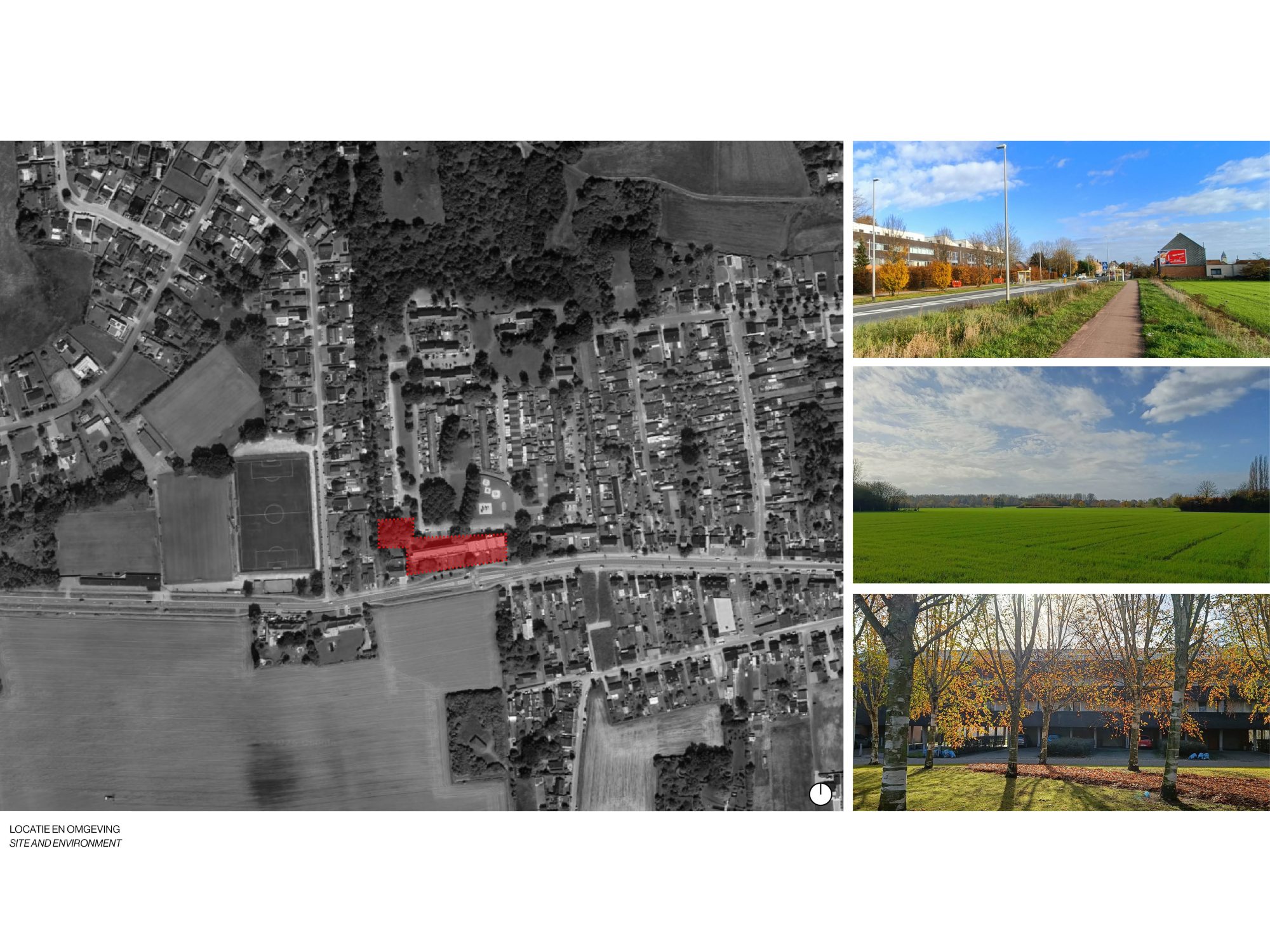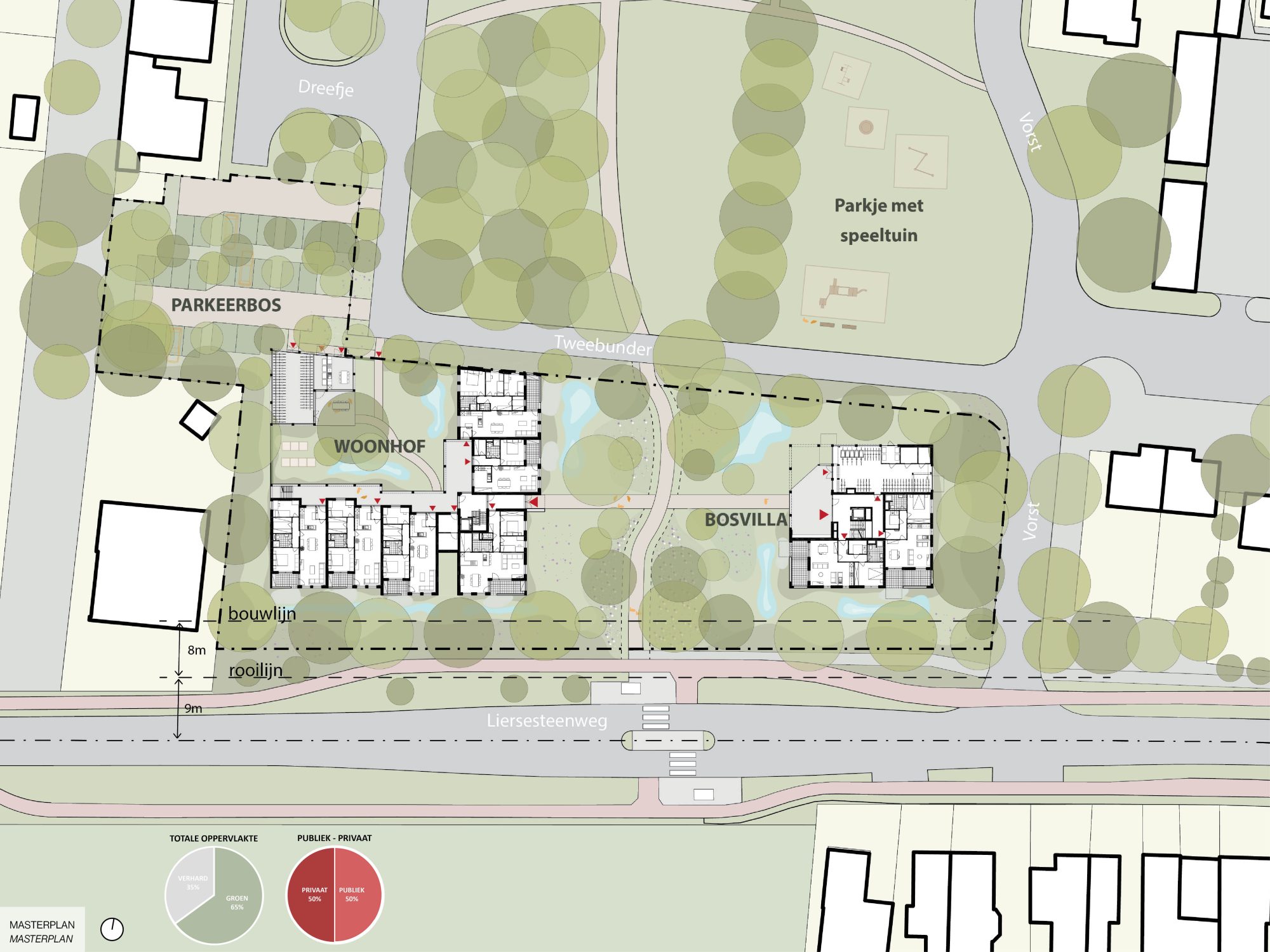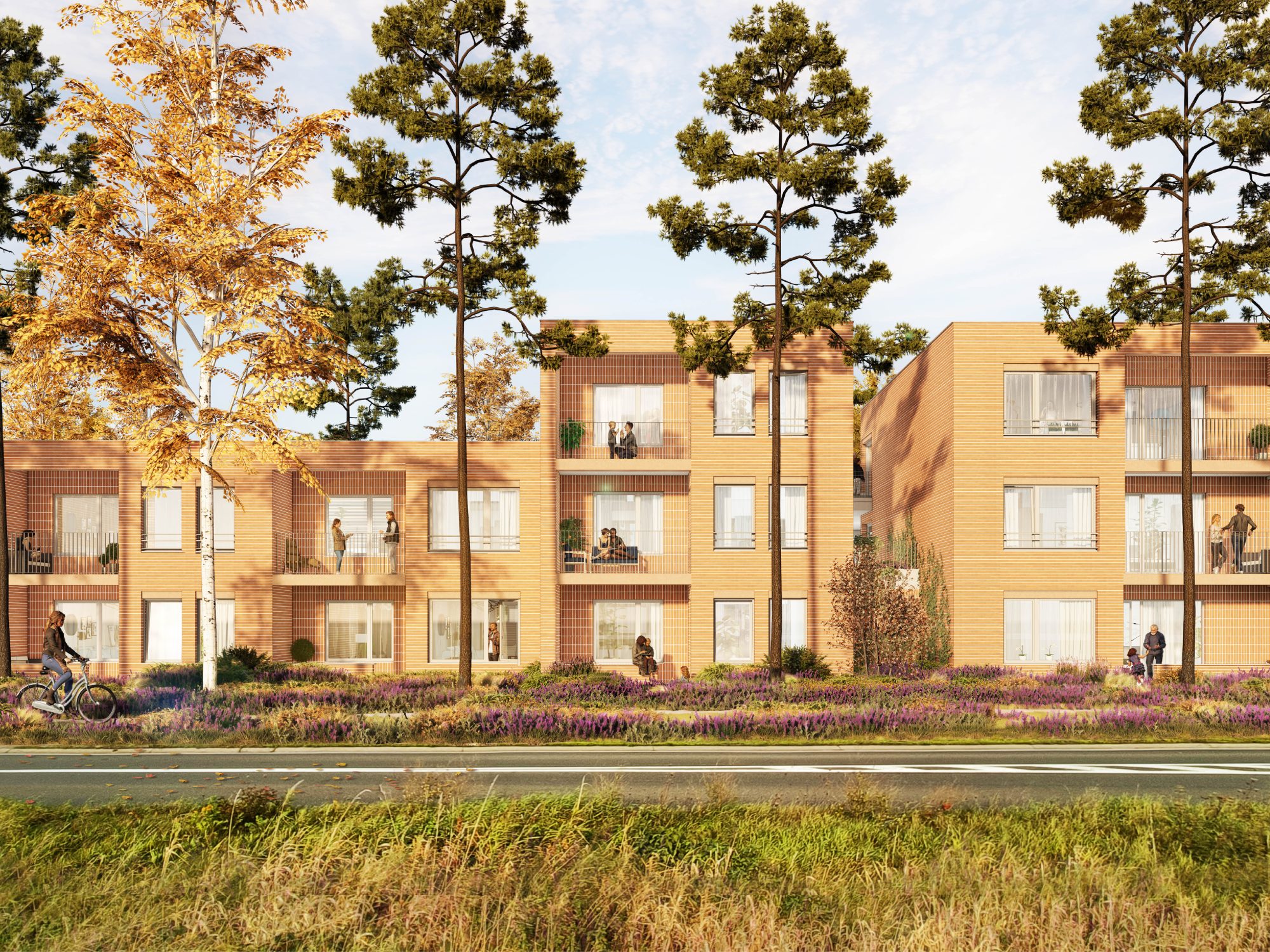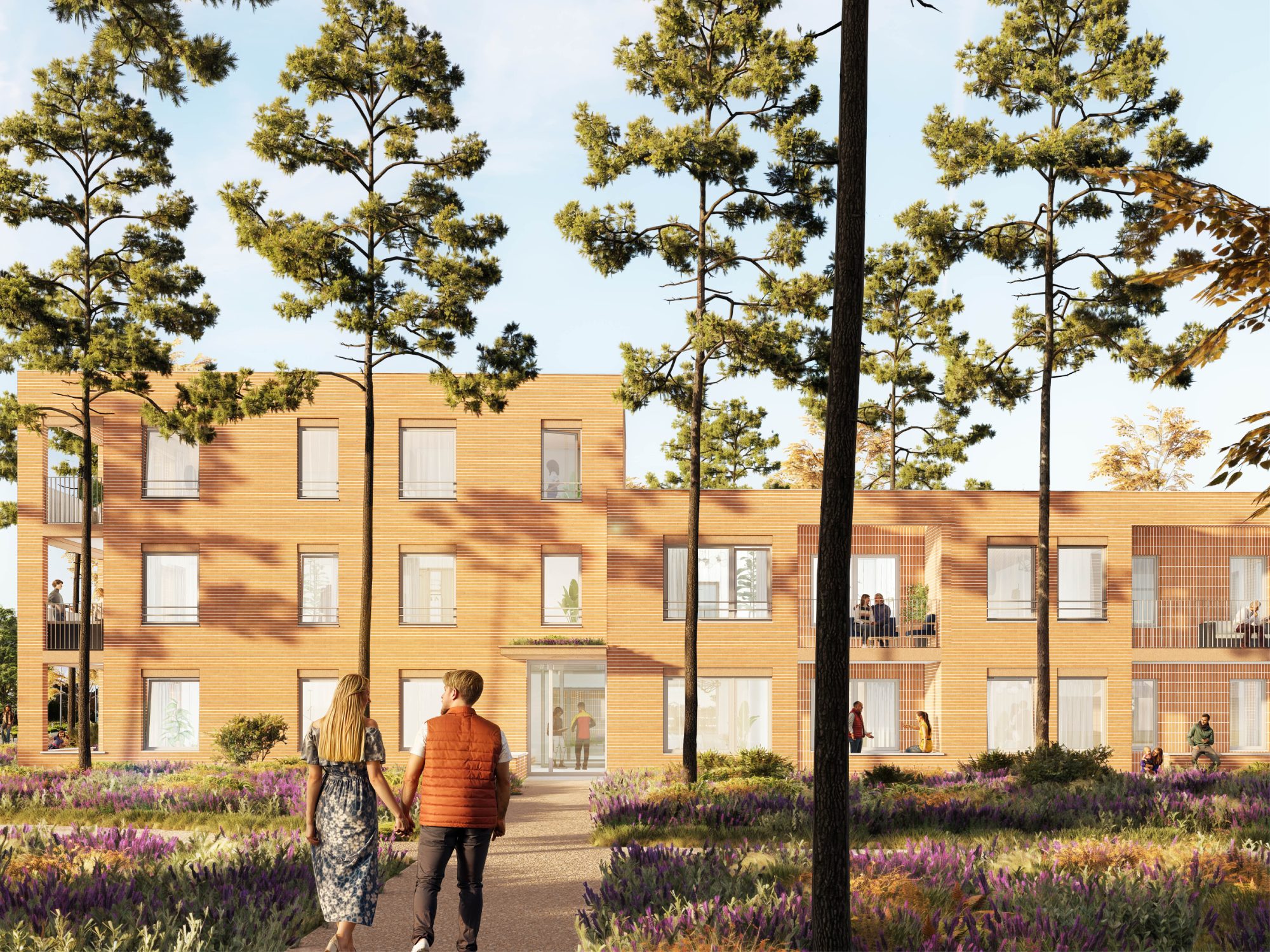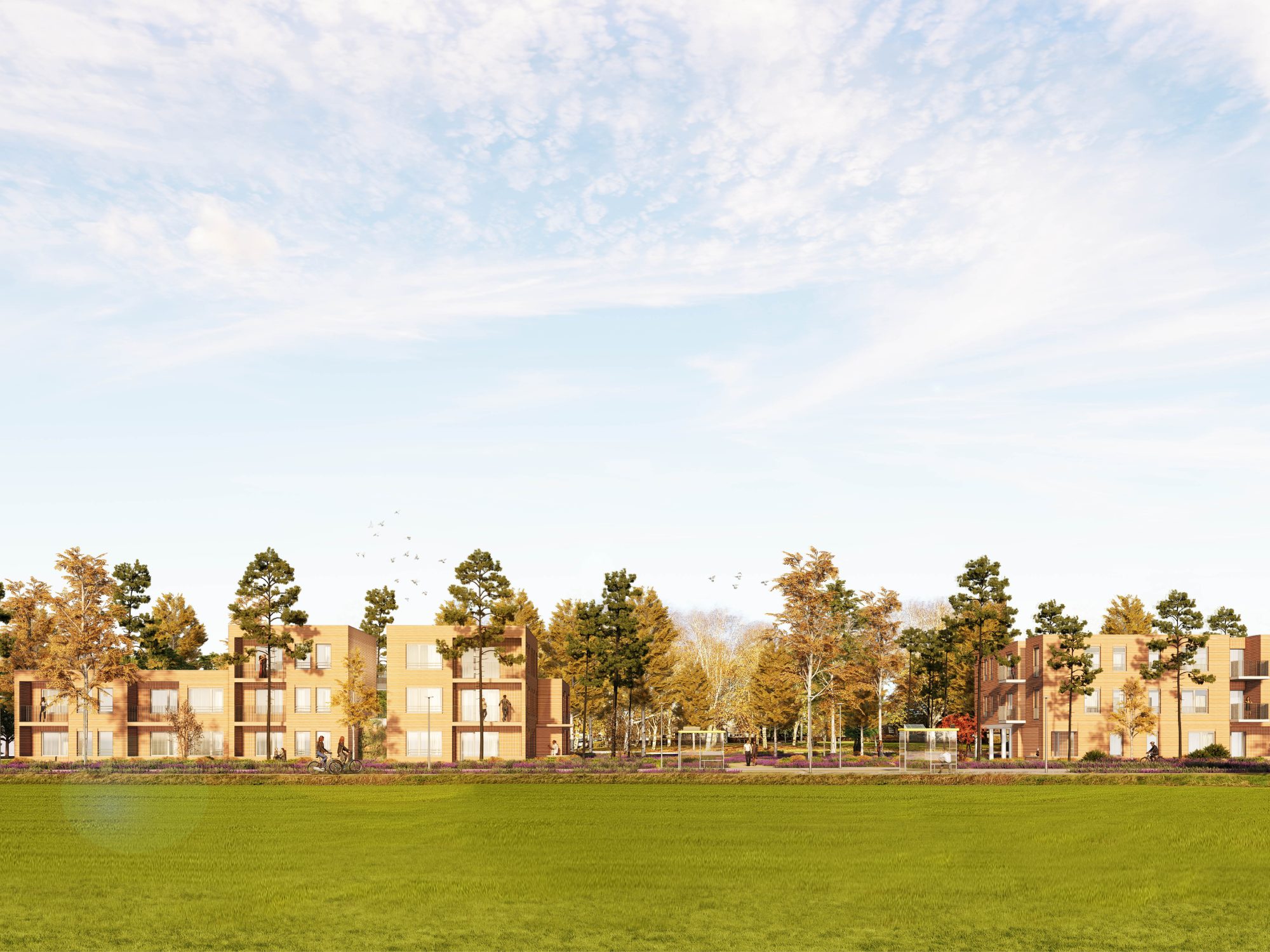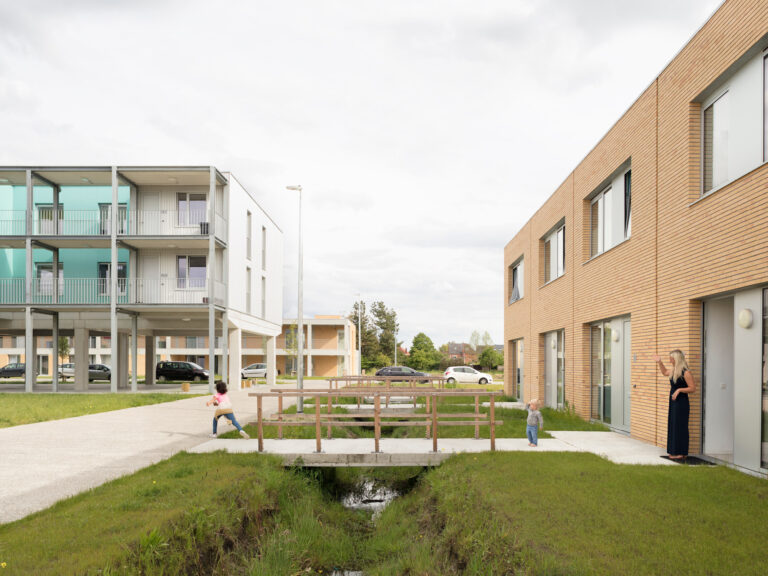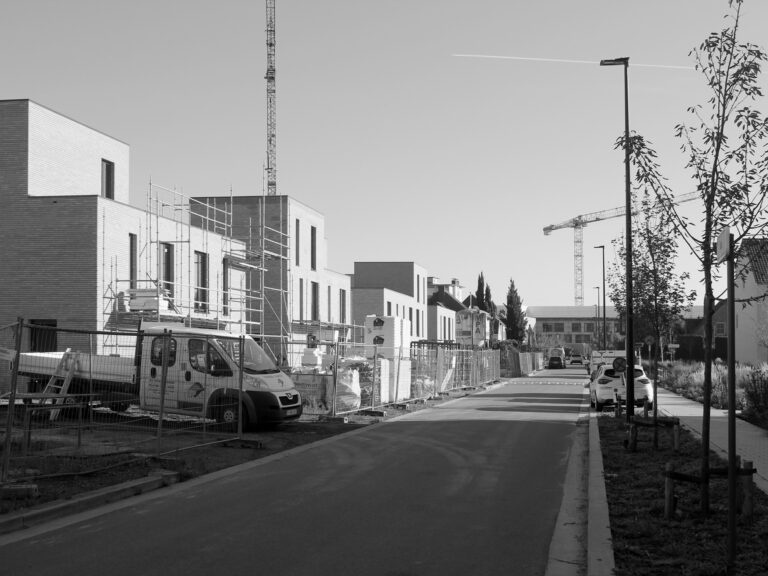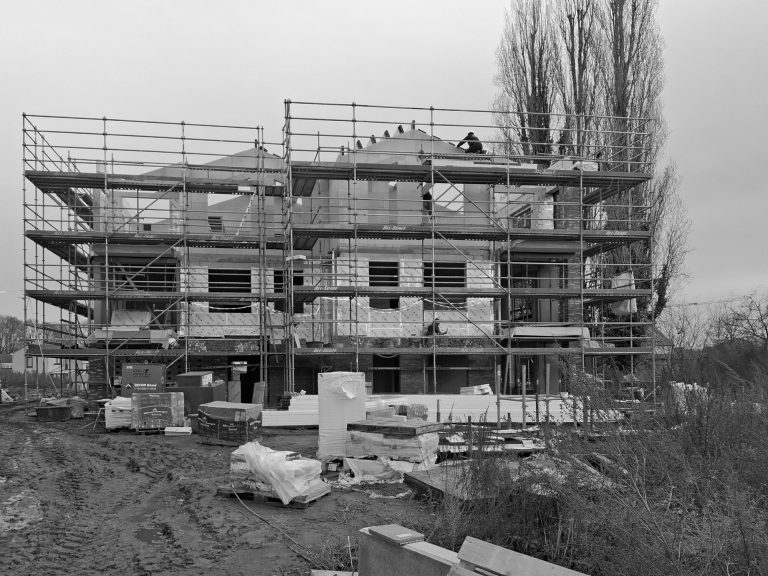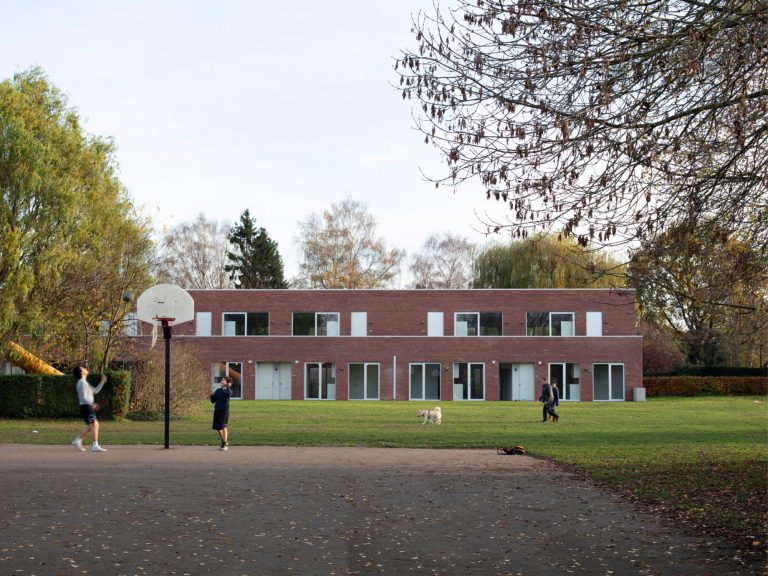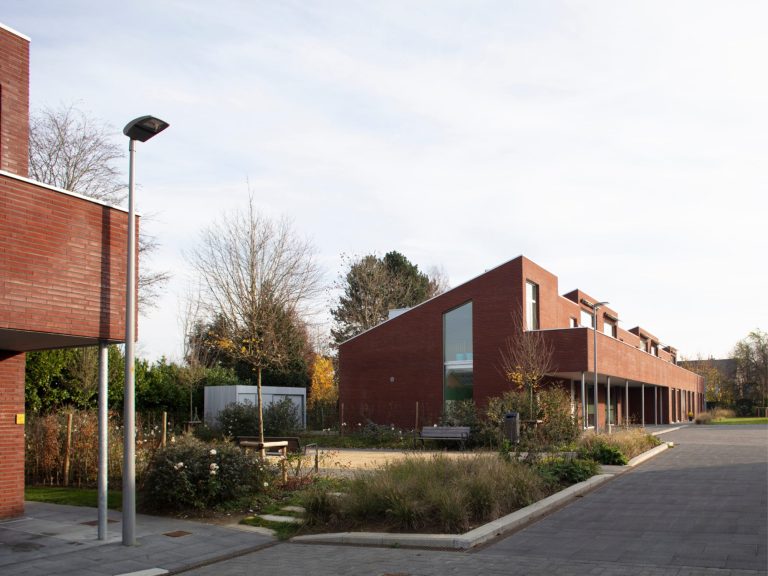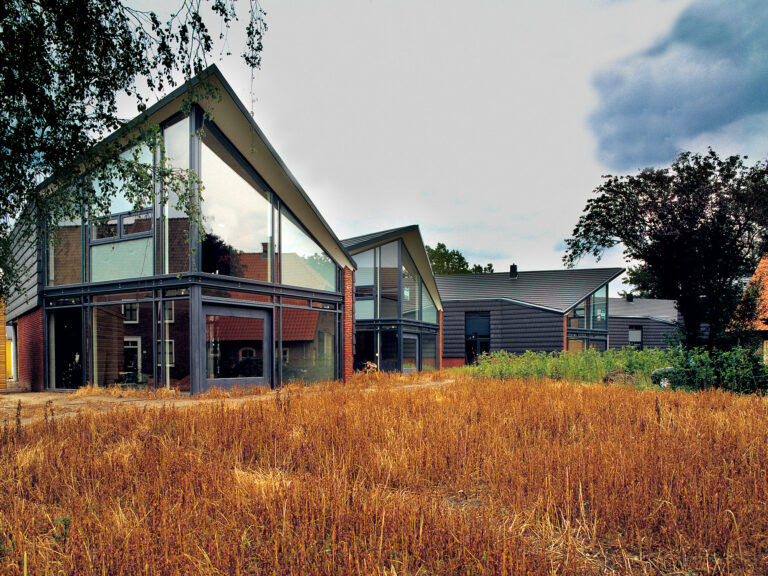
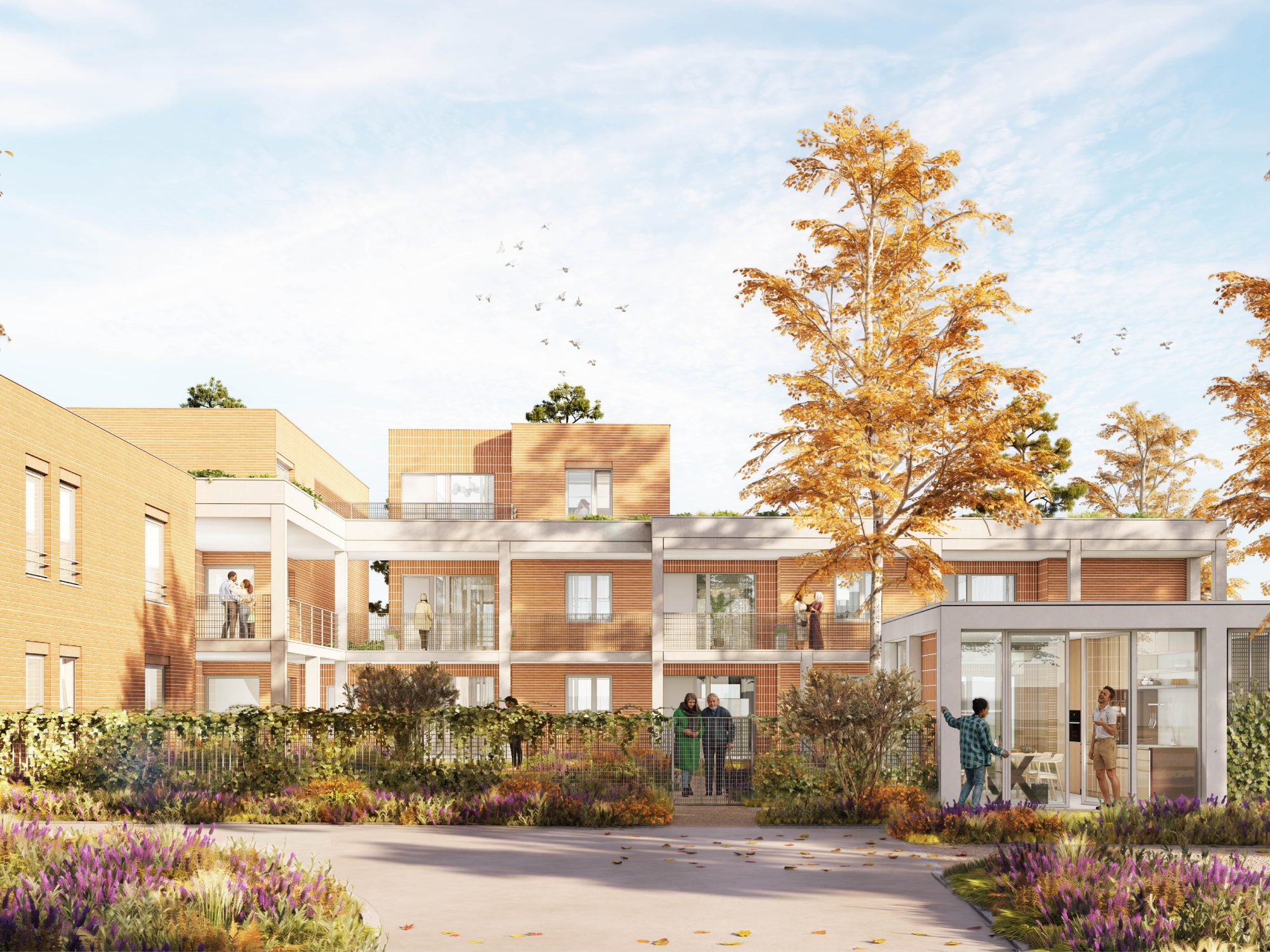
The Tweebunder project in Nijlen is a sustainable redevelopment of an existing social housing site located between Liersesteenweg and Tweebunder in Kessel. The current building will be replaced by a contemporary residential development that not focuses on high-quality living, prominent landscape and social integration within its surroundings.
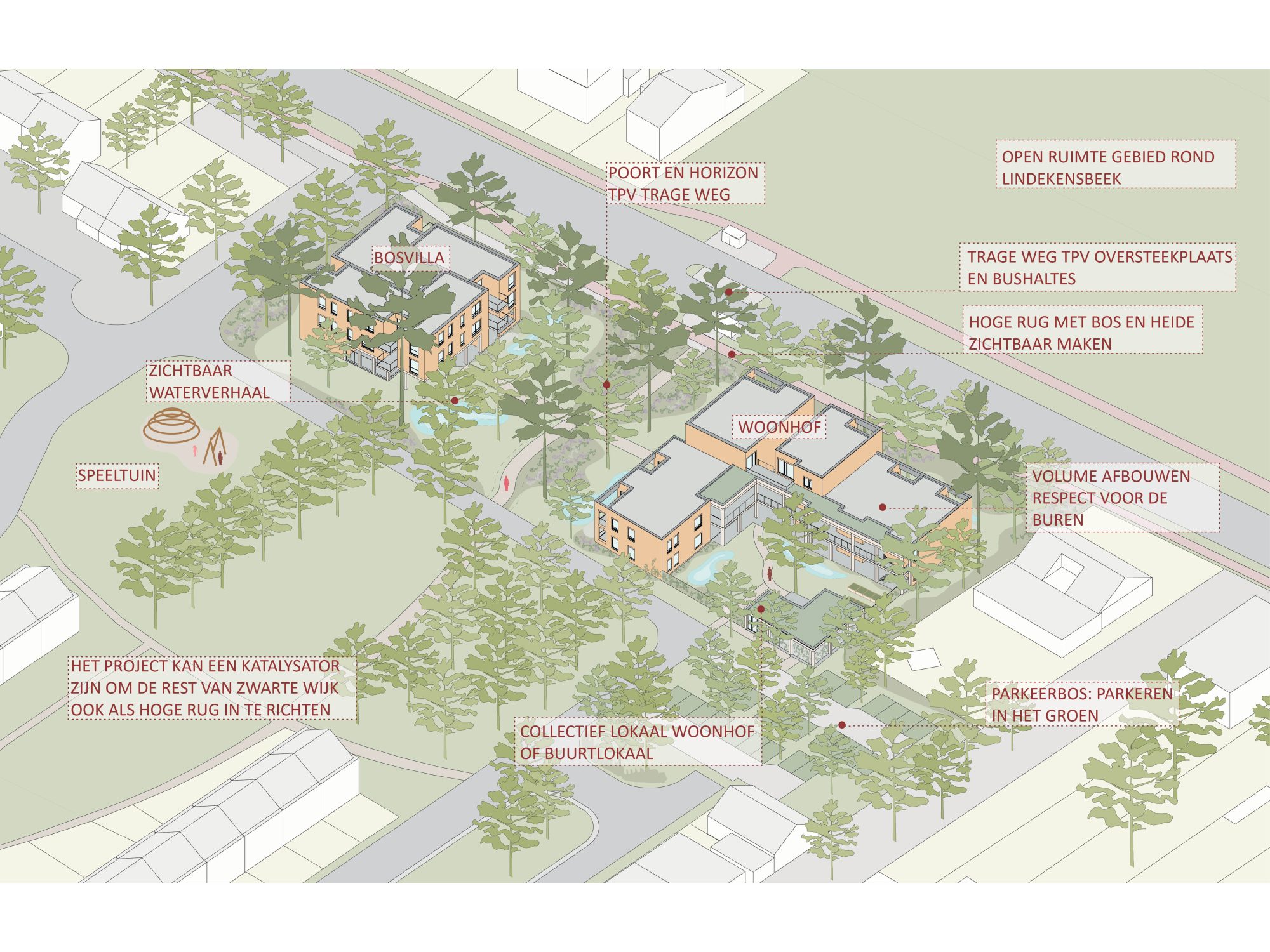
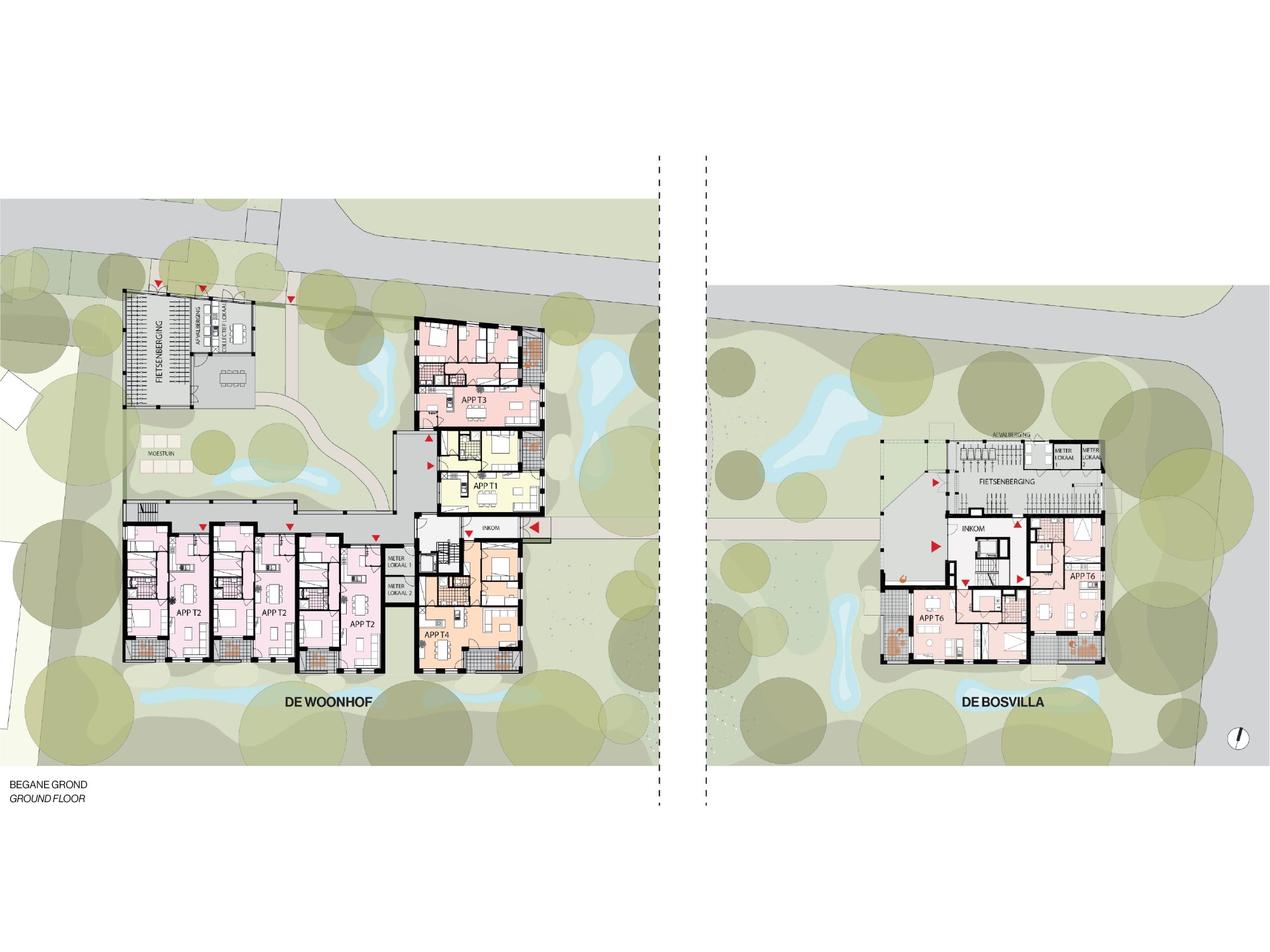
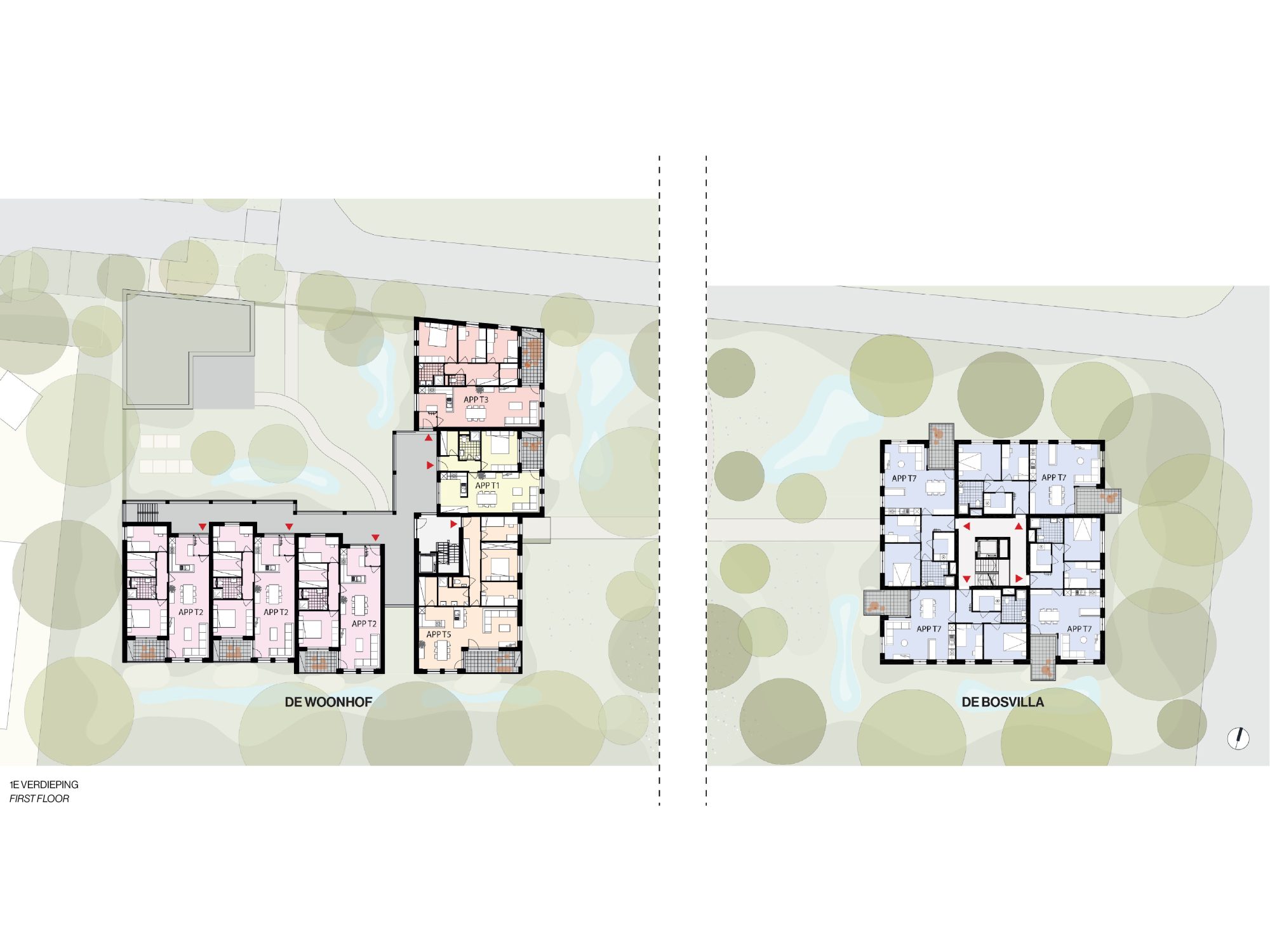
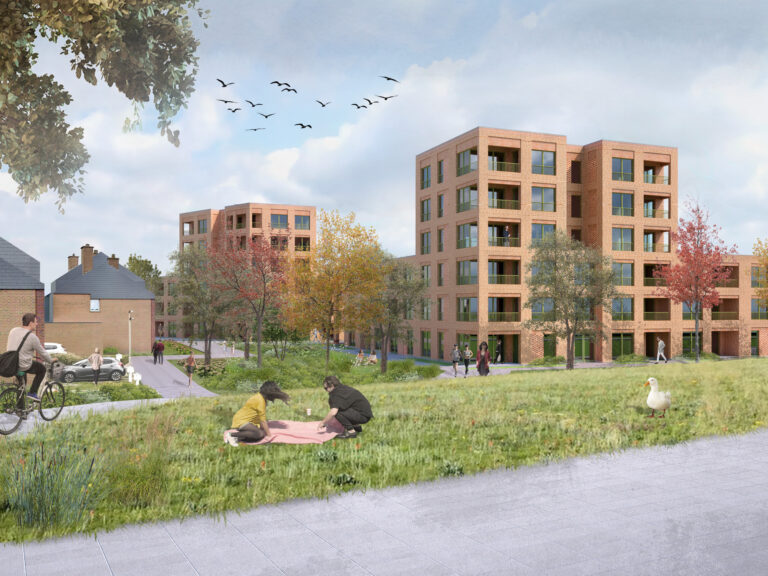
The new development consists of two complementary residential volumes: a courtyard building and a “forest villa,” together offering a mix of 1, 2, and 3-bedroom apartments. The buildings’ position forms an open “gateway” to the residential neighborhood of Tweebunder-Seringenhof which is directly behind them. While the existing buildings currently create a barrier, the new design fosters connection, visibility, and social cohesion. At the same time, the open landscape around the Lindekensbeek stream becomes more accessible and inviting for the neighborhood.
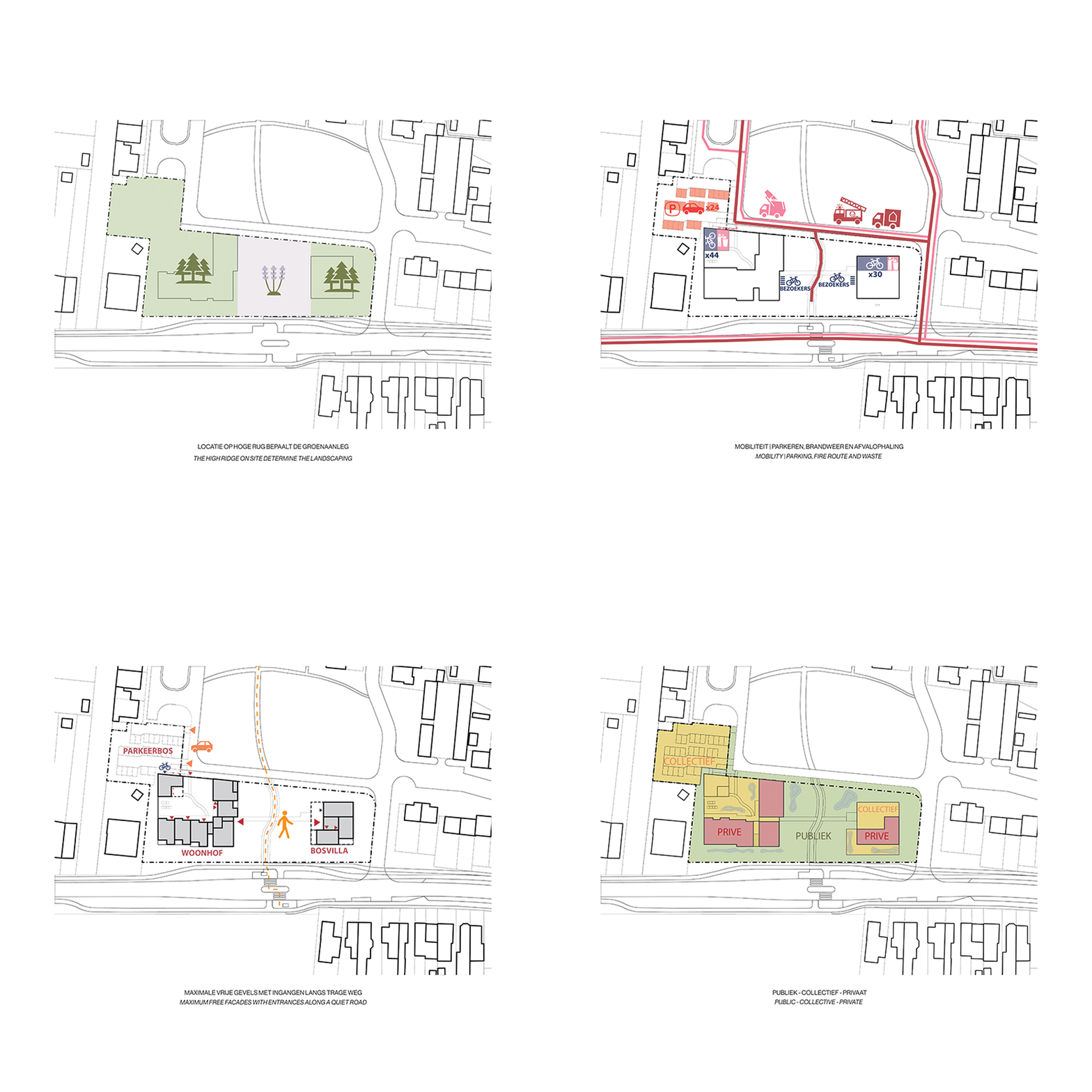
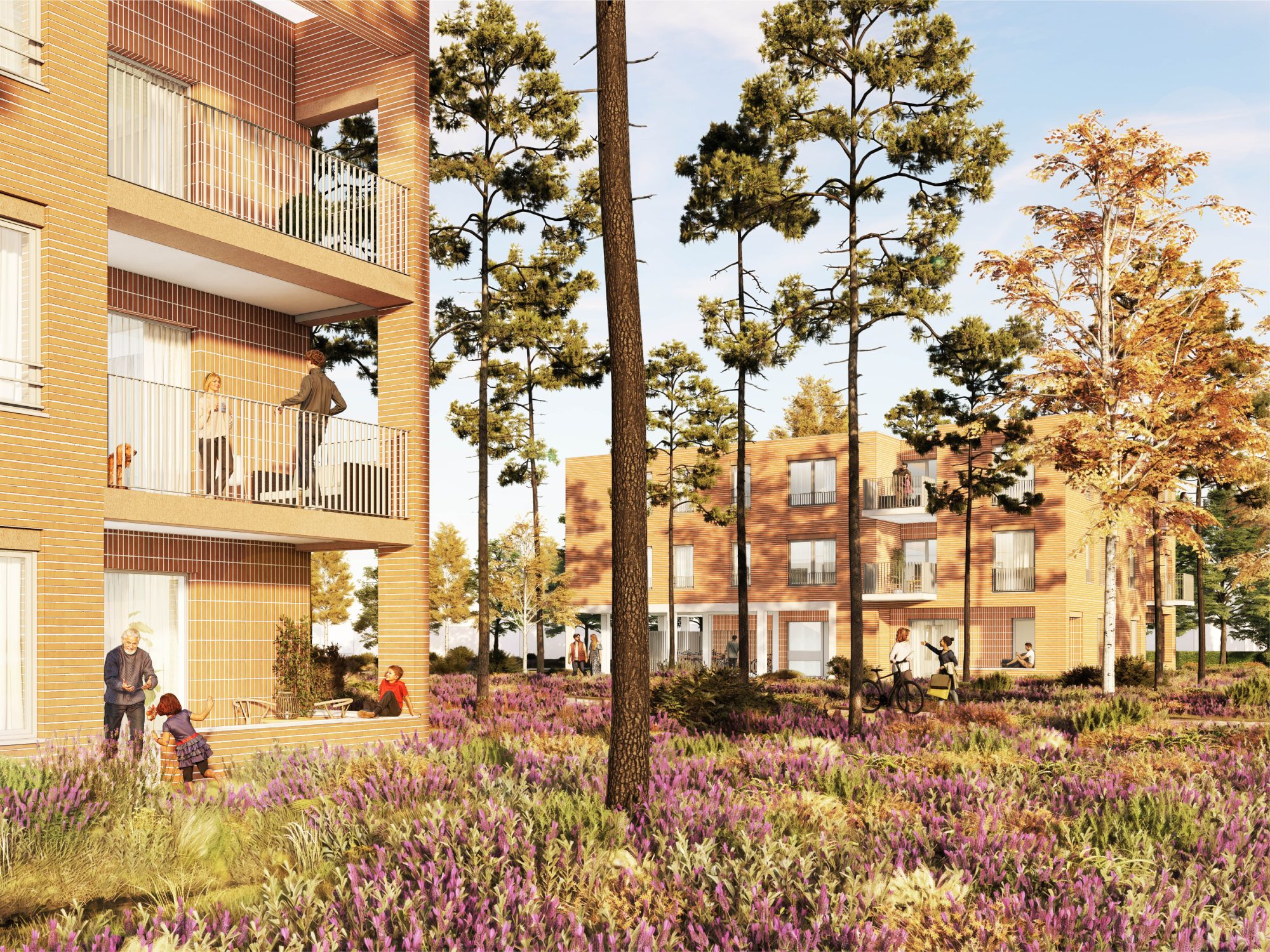
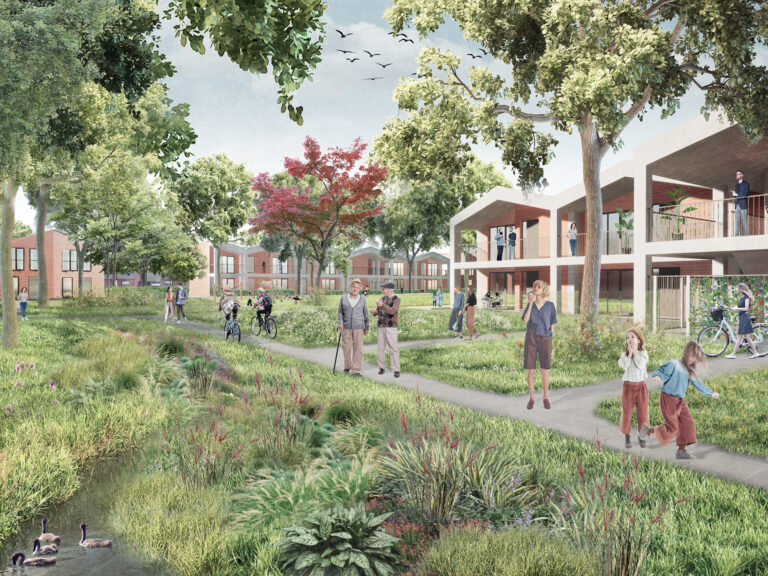
The project is located at the threshold between village and landscape, on the so-called “Hoge Rug” (High Ridge). This landscape structure forms the inspiration for the green design. The site will be largely de-paved and transformed into an ecologically valuable environment with mixed woodland, heath vegetation, and wadi systems for water infiltration. Rainwater will be entirely reused or infiltrated on site, creating a climate-resilient and future-proof living environment.
In addition to ecological sustainability, social sustainability plays a central role. Clear transitions between public, collective, and private domains create space for both interaction and privacy. Collective gardens, generous walkways, and a potential shared community space encourage contact among residents and strengthen the neighborhood.
Tweebunder thus becomes more than a housing project: it evolves into a green, forward-looking living environment where architecture, landscape, and community come together.