ProjectsProjecten | Microrayon transformation strategies

Microrayon transformation strategies

Scroll voor meer info

Scroll for more info

Sustainable urban growth through densification and transformation

Informatie

Information

Status: Design studio at Kaunas University of Technology and ongoing research
Associate professor: Johan de Wachter
Location: Kaunas, Lithuania
Year: 2016 – now

Microrayon transformation strategies

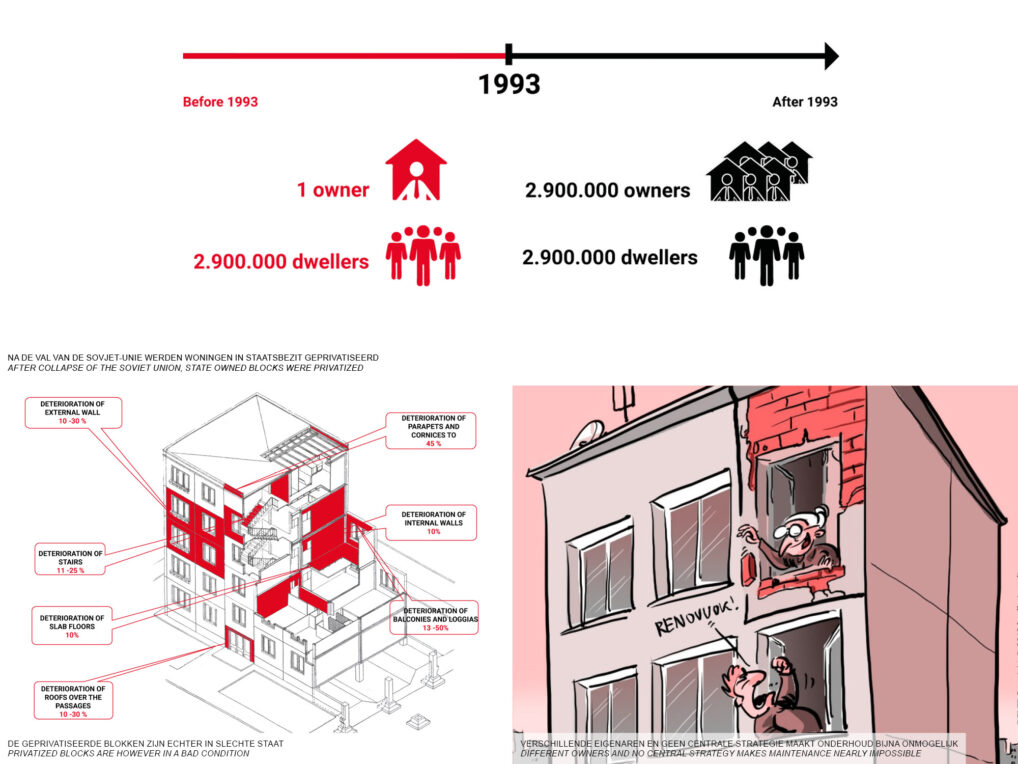
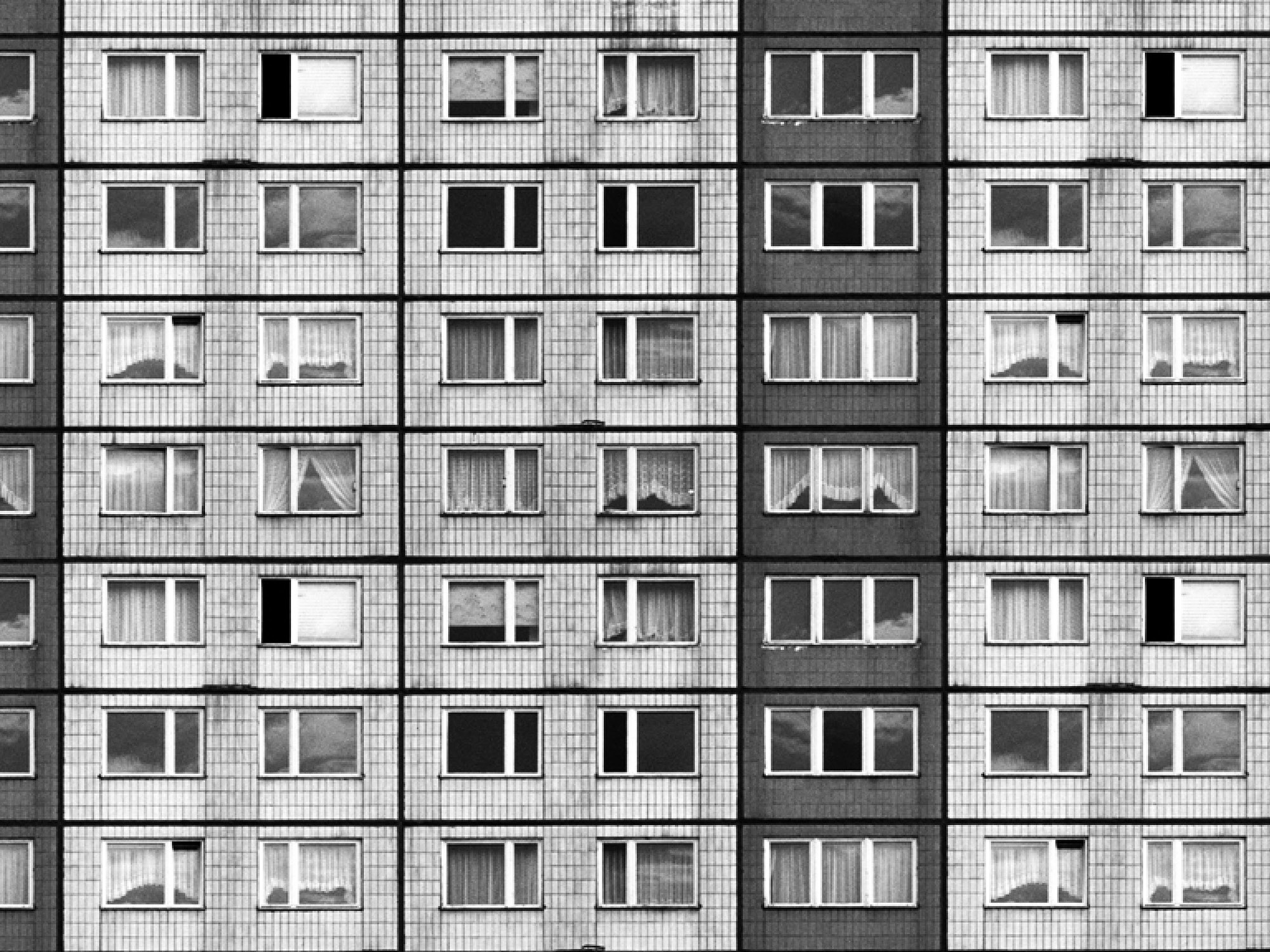
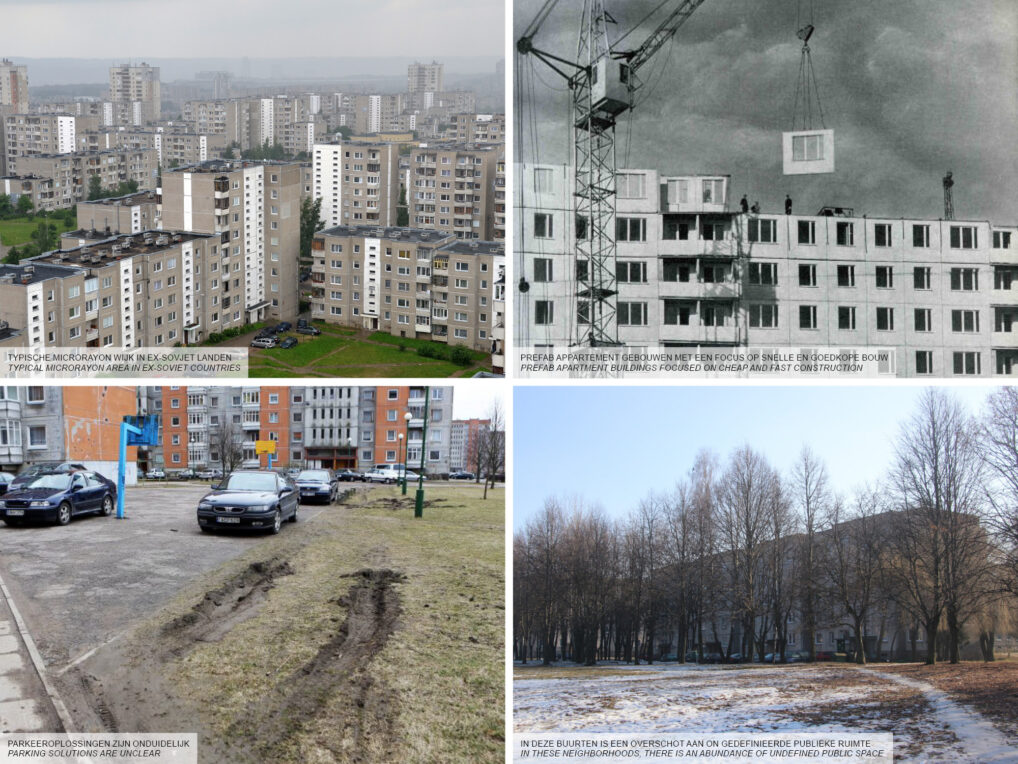
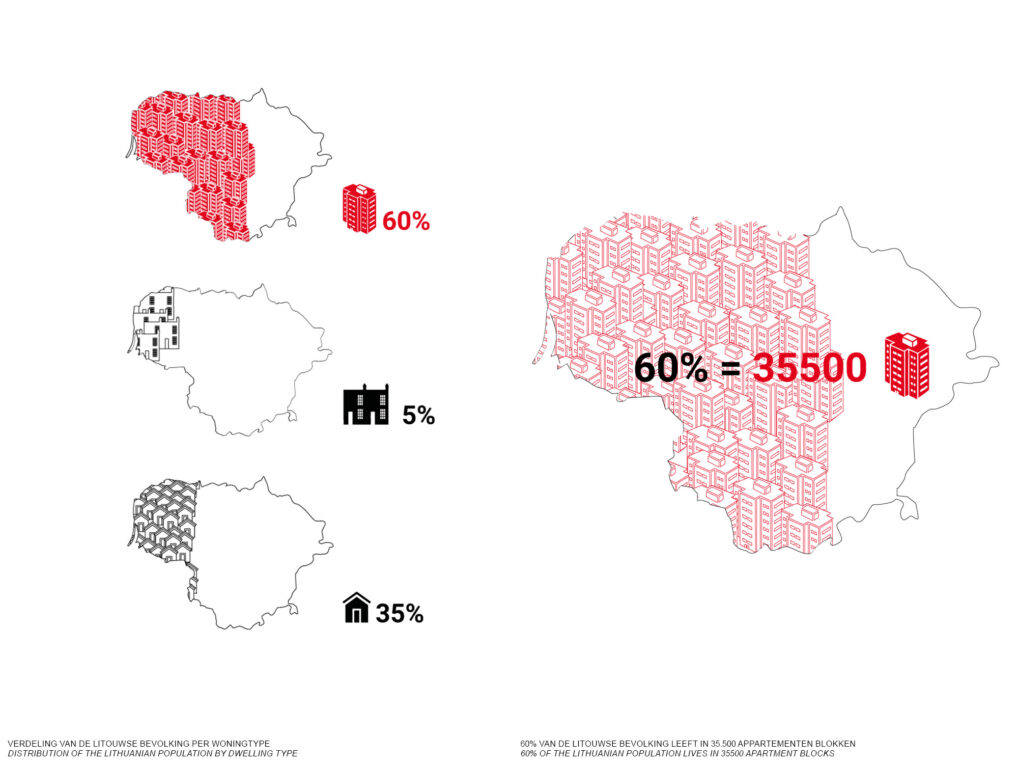
Approximately 60% of the Lithuanian population lives in Soviet-era apartment buildings. Soviet architects have been discussing renovation methods for these buildings since the 1970’s. Today, ownership is privatized complicating the issue even further, only a thousand of the 34.250 Soviet-built apartment buildings have been renovated.
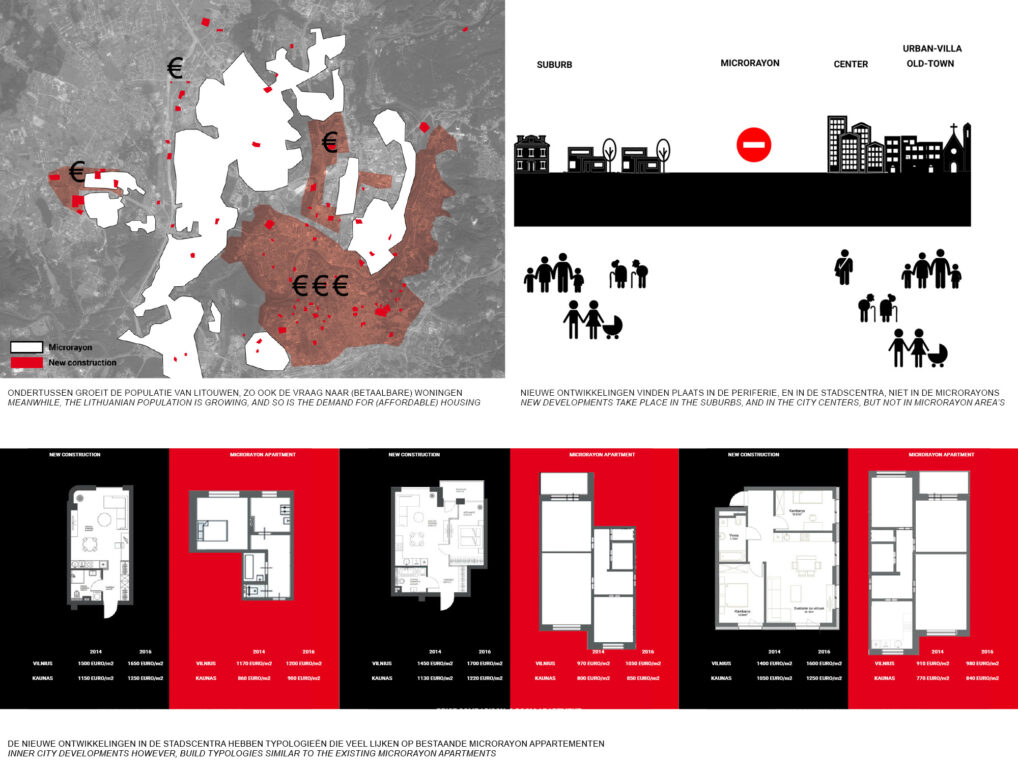
Meanwhile, the population of Lithuania is increasing. People are moving from the countryside to the four largest cities in the country making for a very active real estate market. In the city centers most developments are housing projects with relatively small apartments similar to the existing microrayon typologies. On the other side, suburban development is flourishing. The sprawl around the cities is growing, and so is dependency on cars. Research shows that most current developments ignore the Microrayon areas in the city.

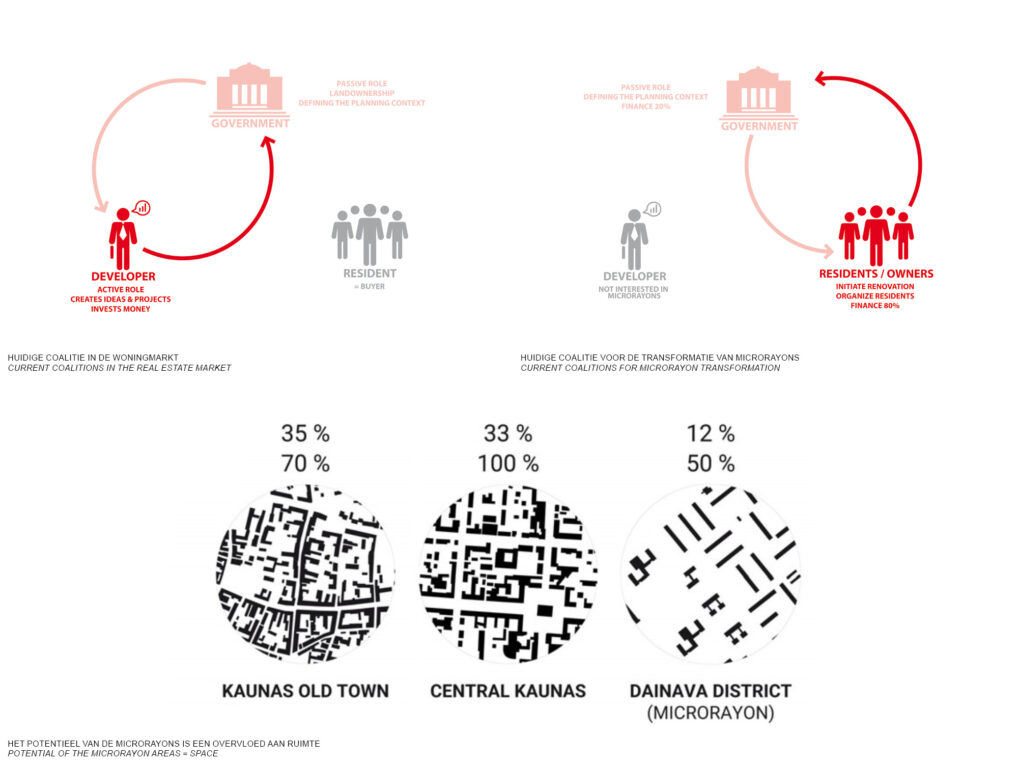
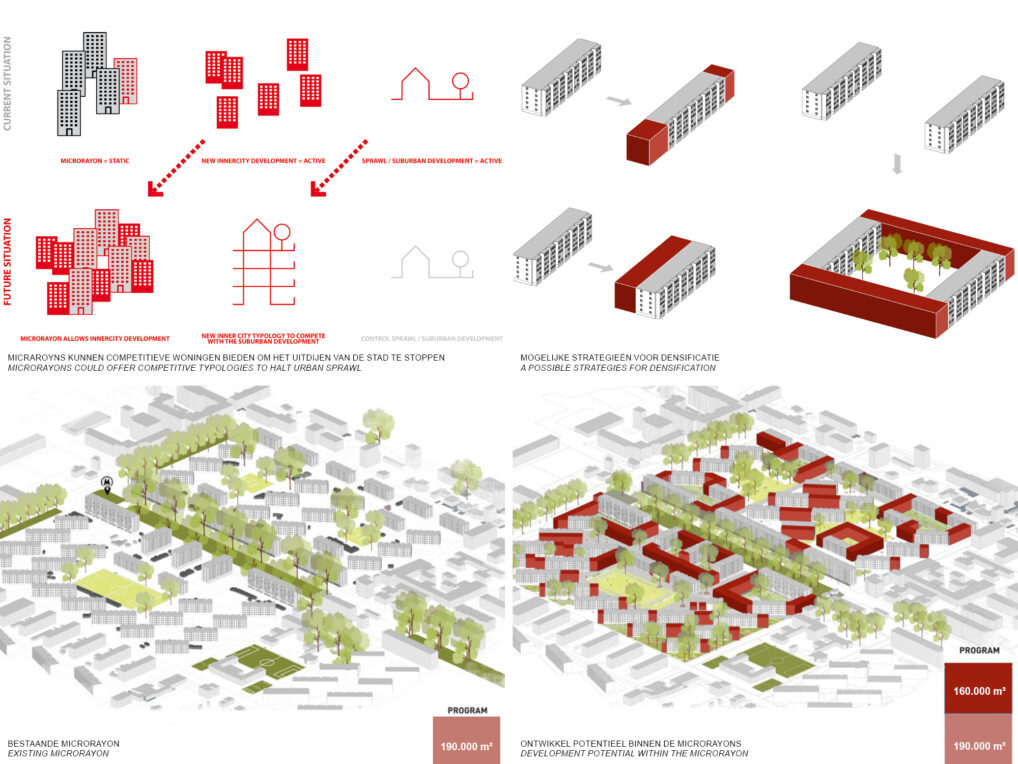
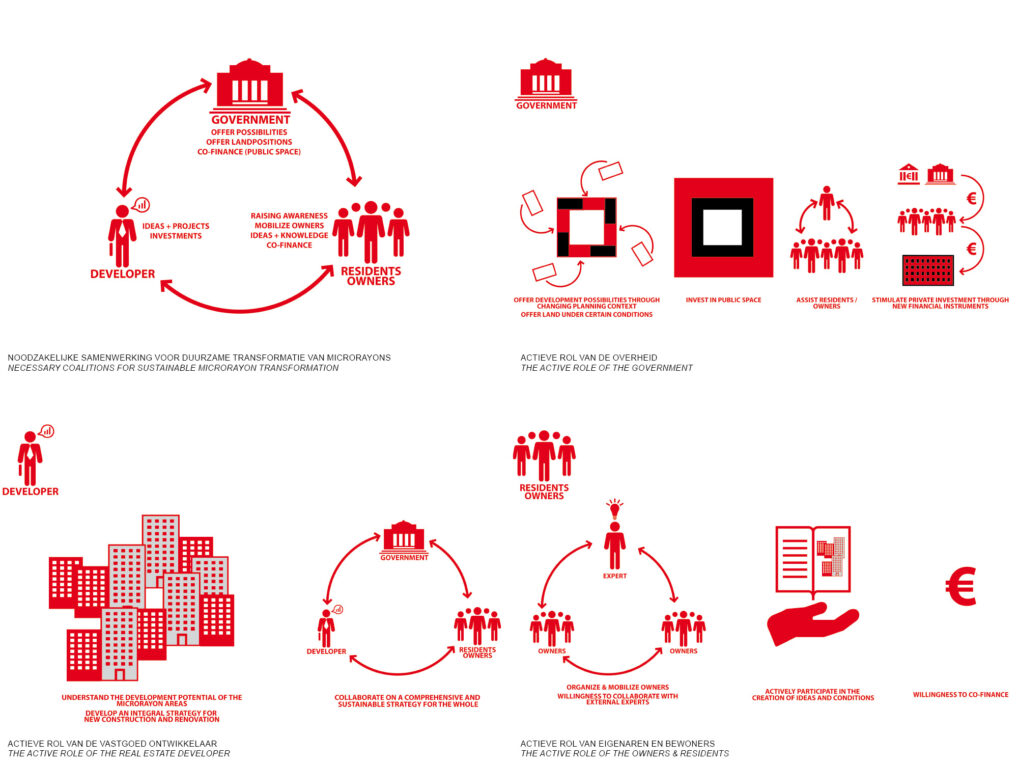
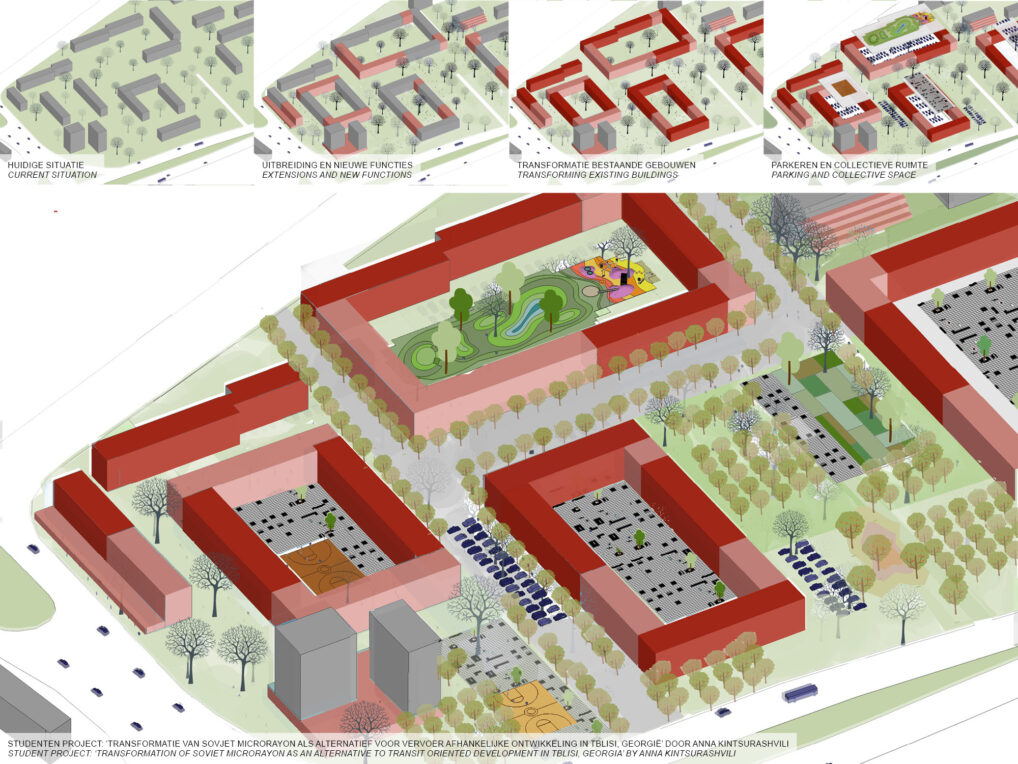
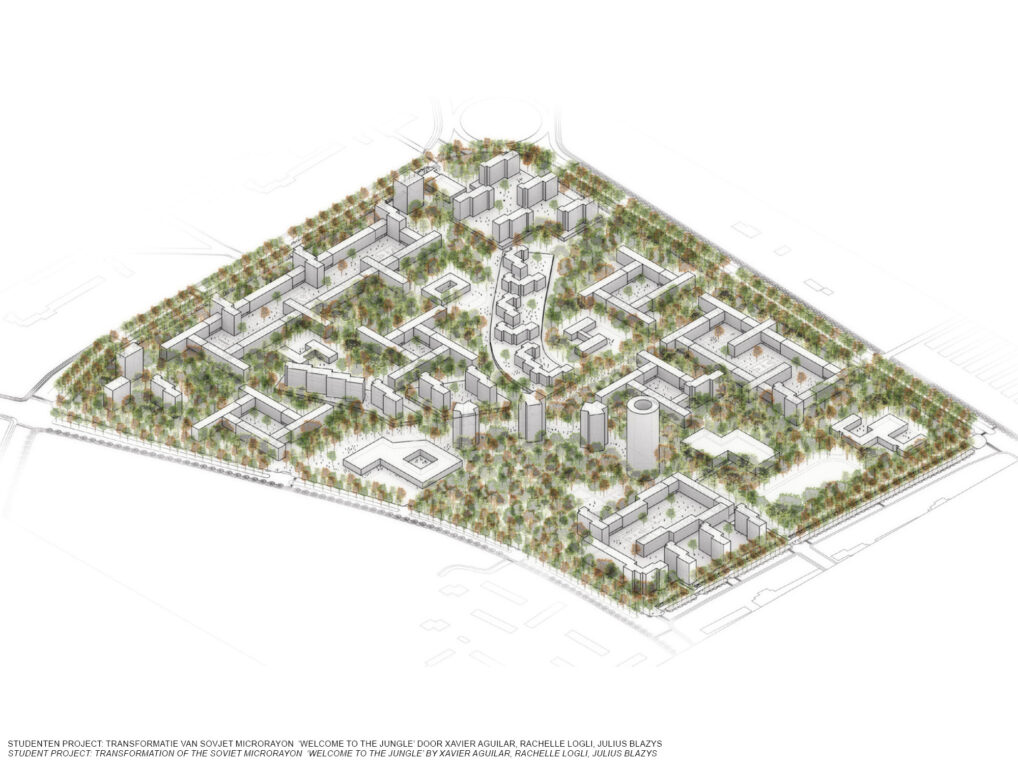
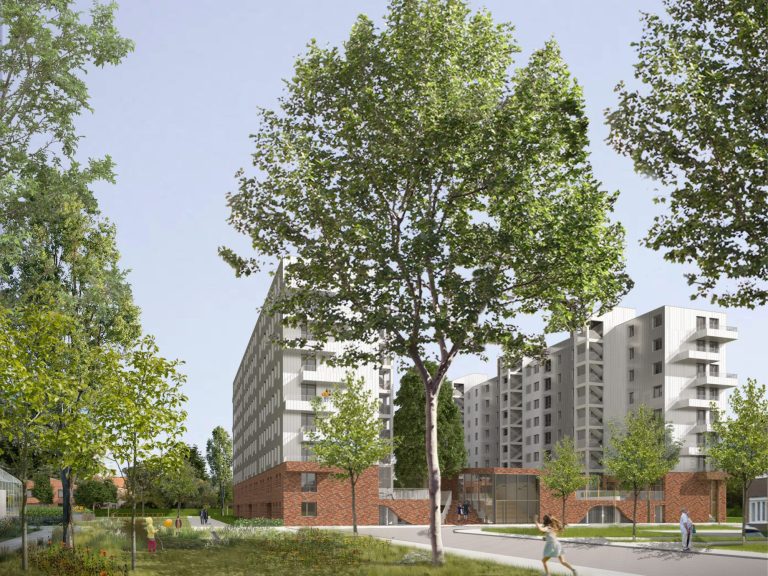
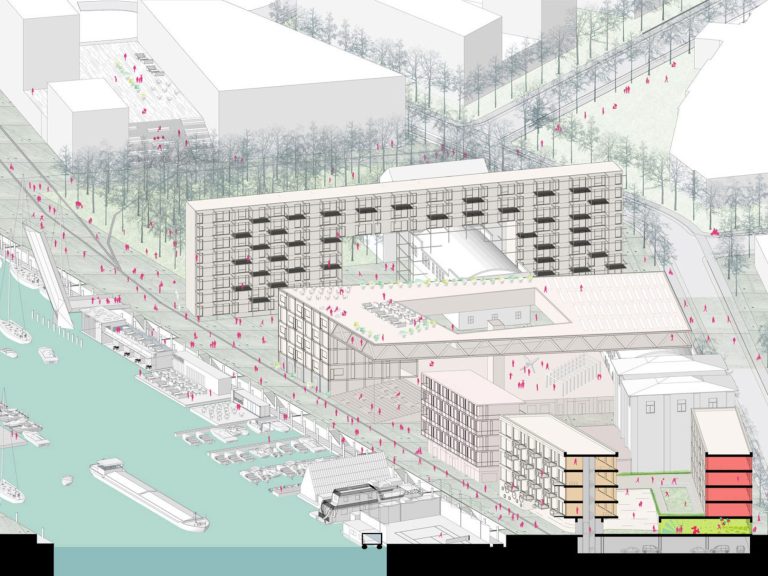
These modernist areas however, offer a great development potential. There is an abundance of undefined public space between the apartment buildings that can be redefined, transformed and densified. This is only possible through a long term vision, and through active collaboration between developers, the government and current residents. It requires the adaption of current zoning plans to allow for densification, the co-creation of strategies and site specific pilot projects. Through this multi faceted approach, sufficient funding can be generated to initiate the sustainable transformation of the existing housing stock. Meanwhile, this approach will help combat urban sprawl and an impeding housing crisis by facilitating sustainable urban growth.

‘Microrayon transformation strategies’ was a design studio led and initiated by Johan de Wachter as an associate professor at Kaunas University of Technology.
For more information about Microrayon transformation strategies, please contact:

Johan De Wachter

Johan de Wachter is an architect and founding partner at Woonwerk Architecten. He came to Rotterdam after his studies at the Catholic University of Louvain (KUL) and worked from 2000 to 2004 at the Office for Metropolitan Architecture (OMA/Rem Koolhaas) on various urban planning and architecture projects and competitions. In 2003 he founded Fün Design Consultancy and was a partner until 2005. In 2005 he founded Johan De Wachter Architecten and in 2011 he started 2DVW Architecten in Antwerp together with Rik De Vooght. In 2023, the agencies are given a new name. With the establishment of Woonwerk Architecten, the collaboration is given further shape. With Woonwerk, Johan works on projects at home and abroad. Johan regularly teaches and has been, among others, a guest lecturer at Delft University of Technology, the Academy of Architecture in Rotterdam and the Fontys University of Applied Sciences in Tilburg. He was appointed associate professor of urban design at Kaunas University of Technology in 2015. Here he leads the design studios with a specific focus on the integral transformation of former soviet residential areas (microrayons). Johan De Wachter was selected in 2014 for the “Europe 40 Under 40 Award”. This award recognized Johan as one of the 40 leading young design talents from Europe. In addition to his work as an architect and teacher, Johan regularly sits on various committees and juries in the Netherlands and abroad. He is currently a member of the spatial quality committee in Breda (NL) and of the environmental committee in Tilburg (NL).
More about Johan
This site is registered on wpml.org as a development site. Switch to a production site key to remove this banner.