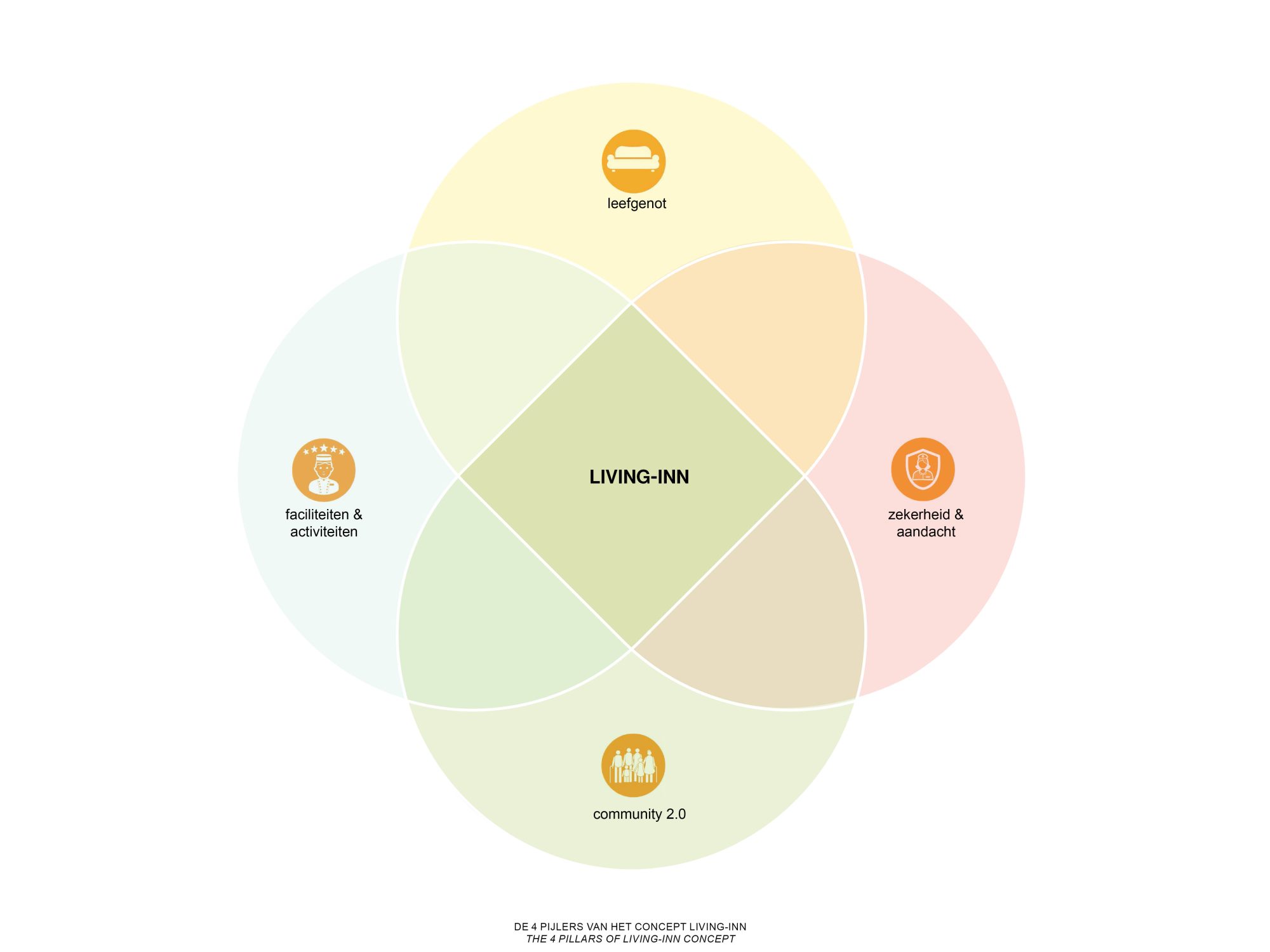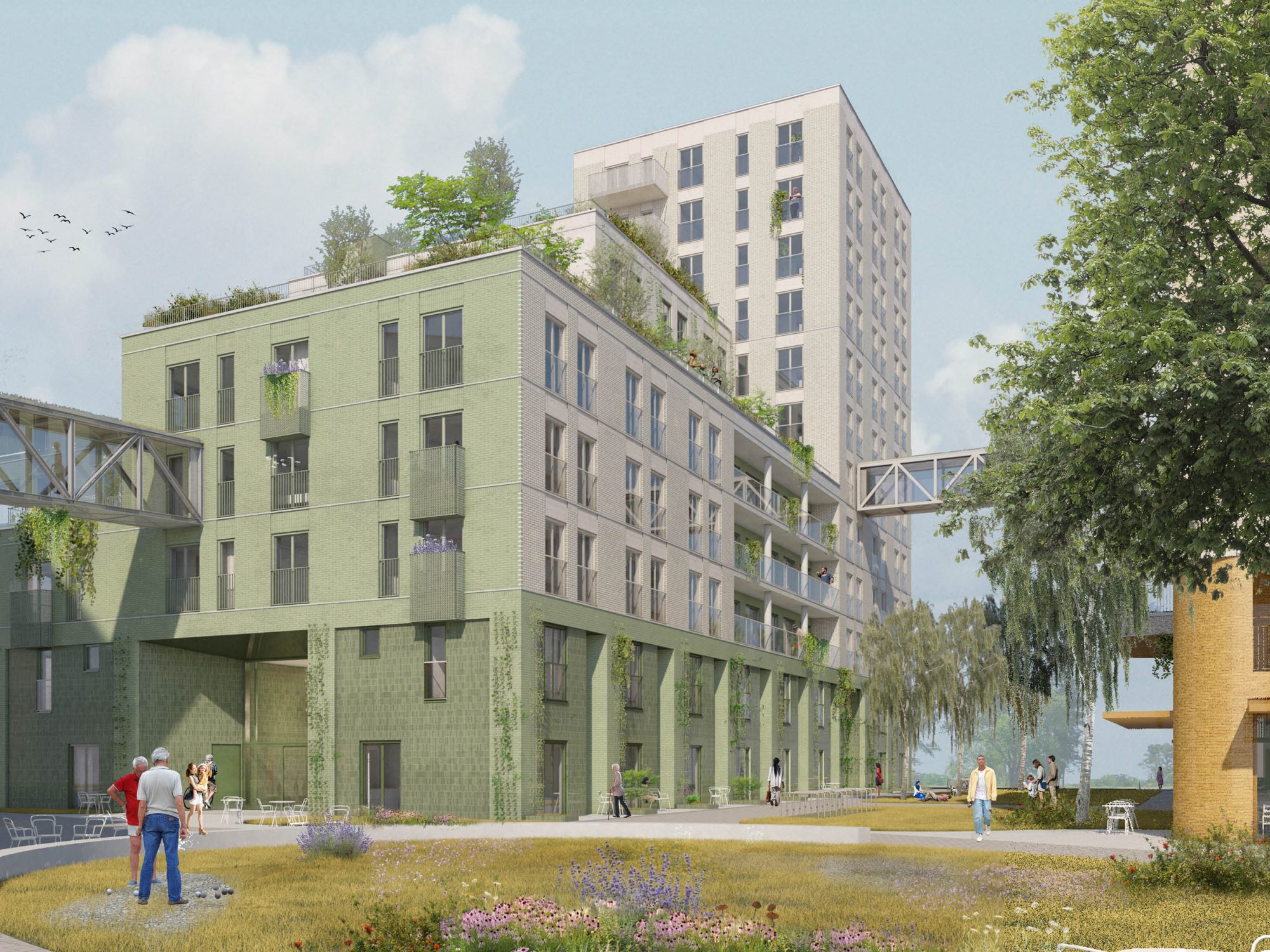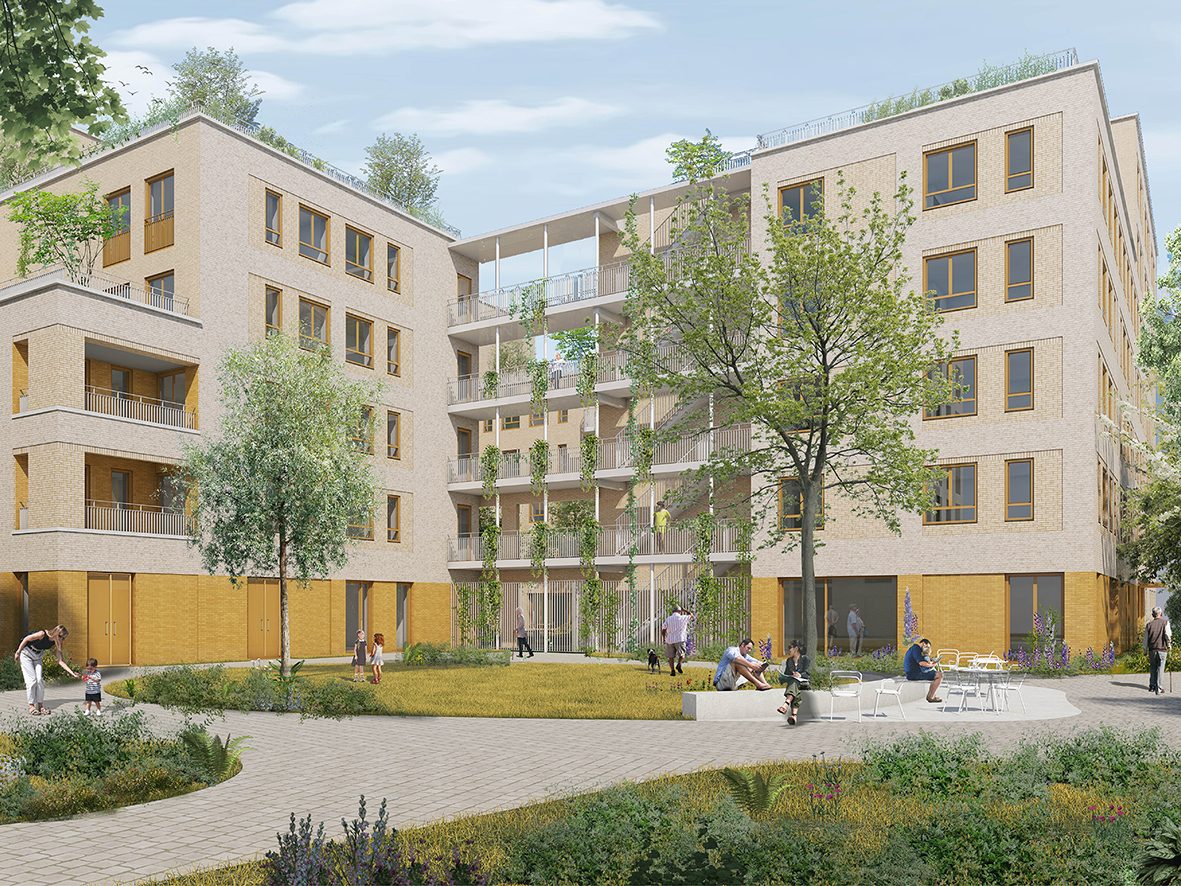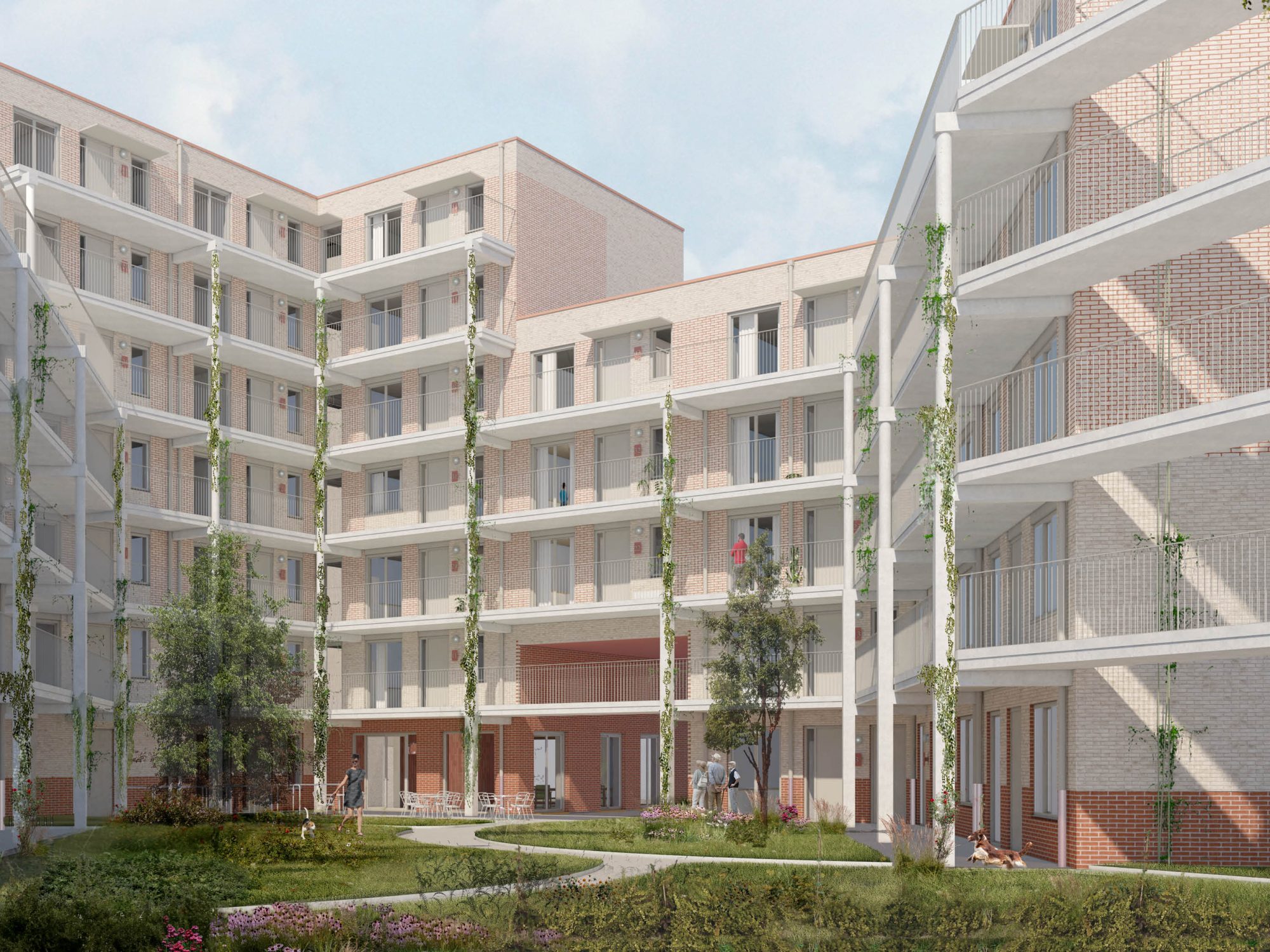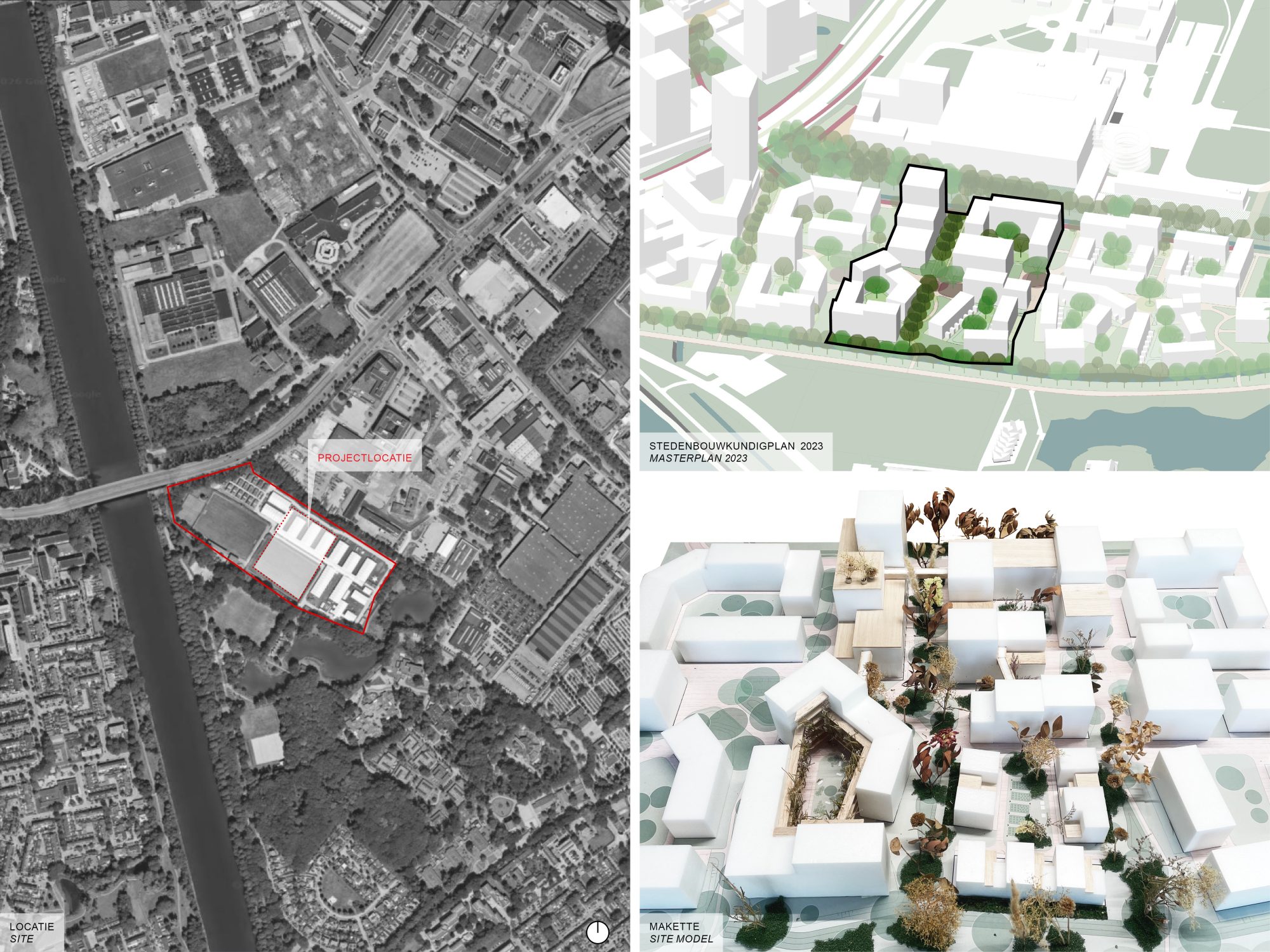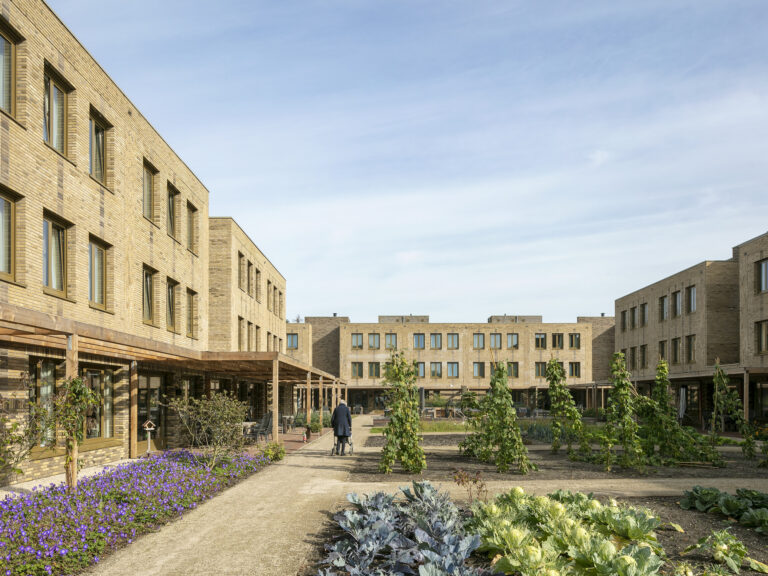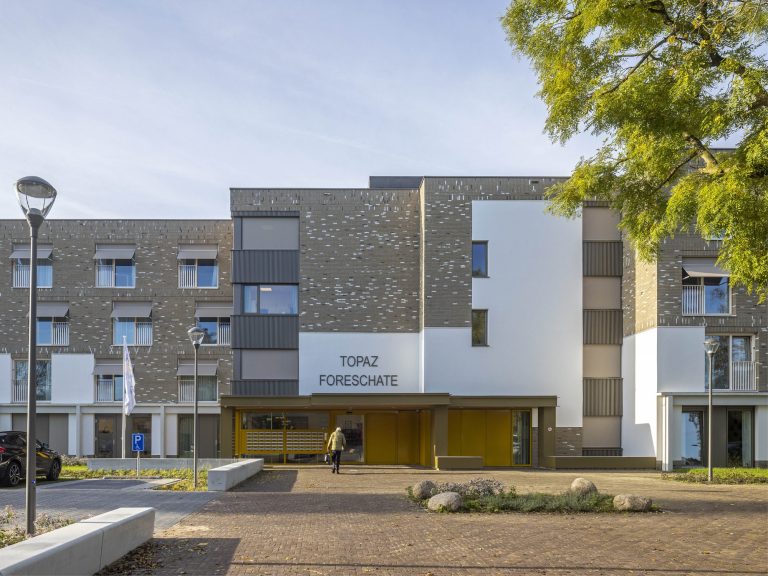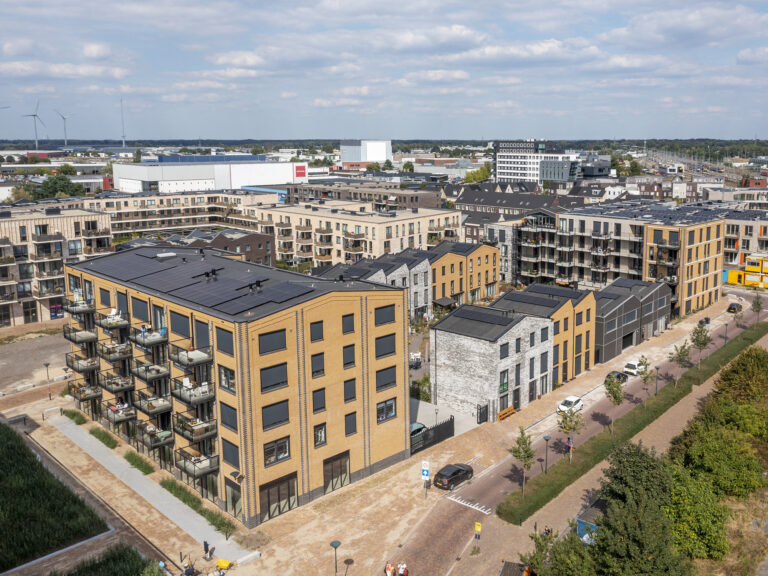
Woonwerk Architecten was commissioned to design a new living community at the Kanaalknoop site in the Winkelsteeg masterplan in Nijmegen.The project is part of the transformation of a former industrial site into a green, vibrant neighborhood with a strong urban and landscape identity. Following the principles and concept of Living-Inn, developed by Roozen Van Hoppe, Woonwerk designed an urban cluster composed of four building blocks offering 442 homes for diverse target groups with shared facilities. The concept promotes a future-proof mixed-use housing model that prioritizes independence, care, safety, and interaction between generations. As the second Living-Inn development in Nijmegen, the project responds directly to key societal challenges, including an ageing population, social isolation, and the growing demand for accessible healthcare and supportive living environments.
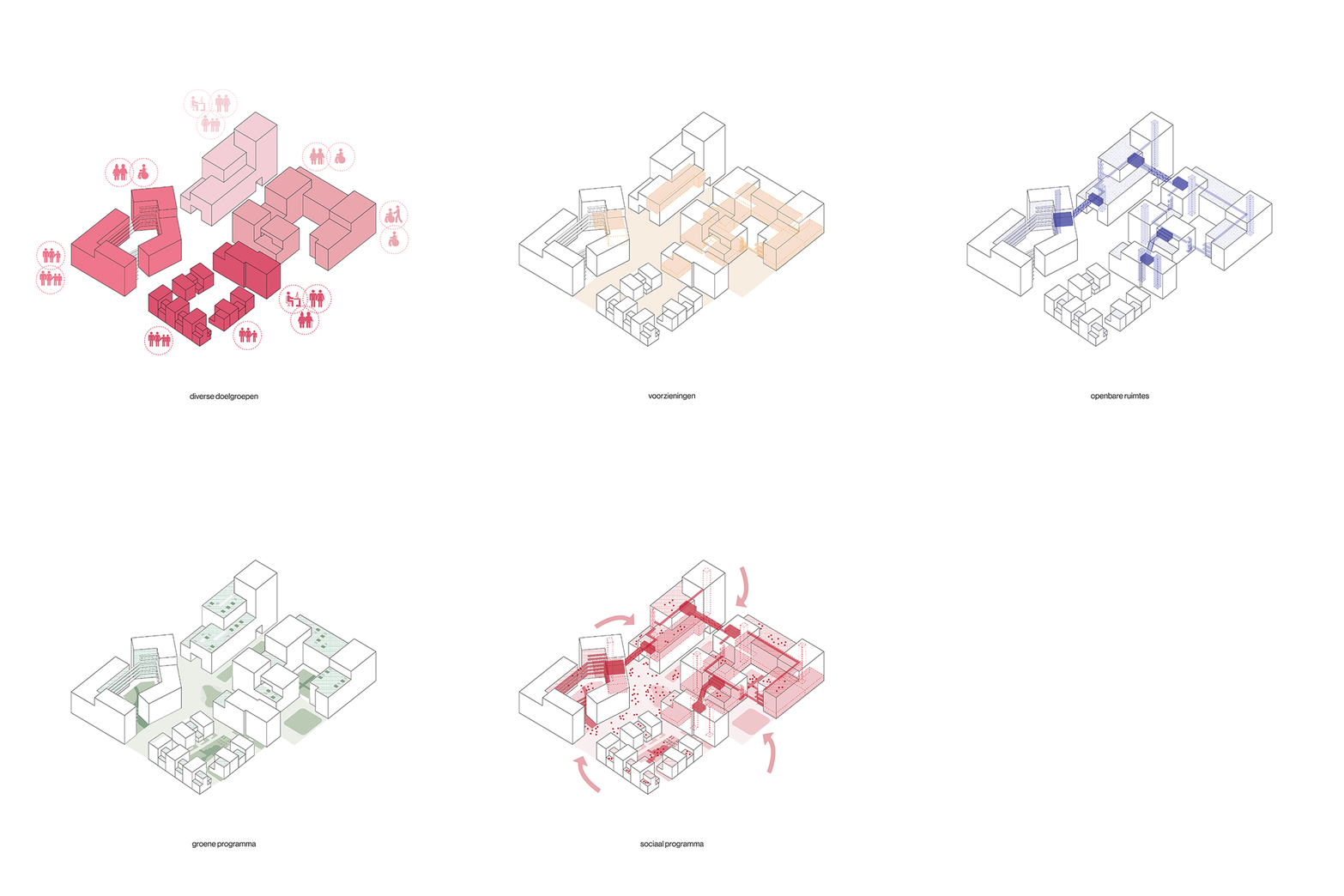
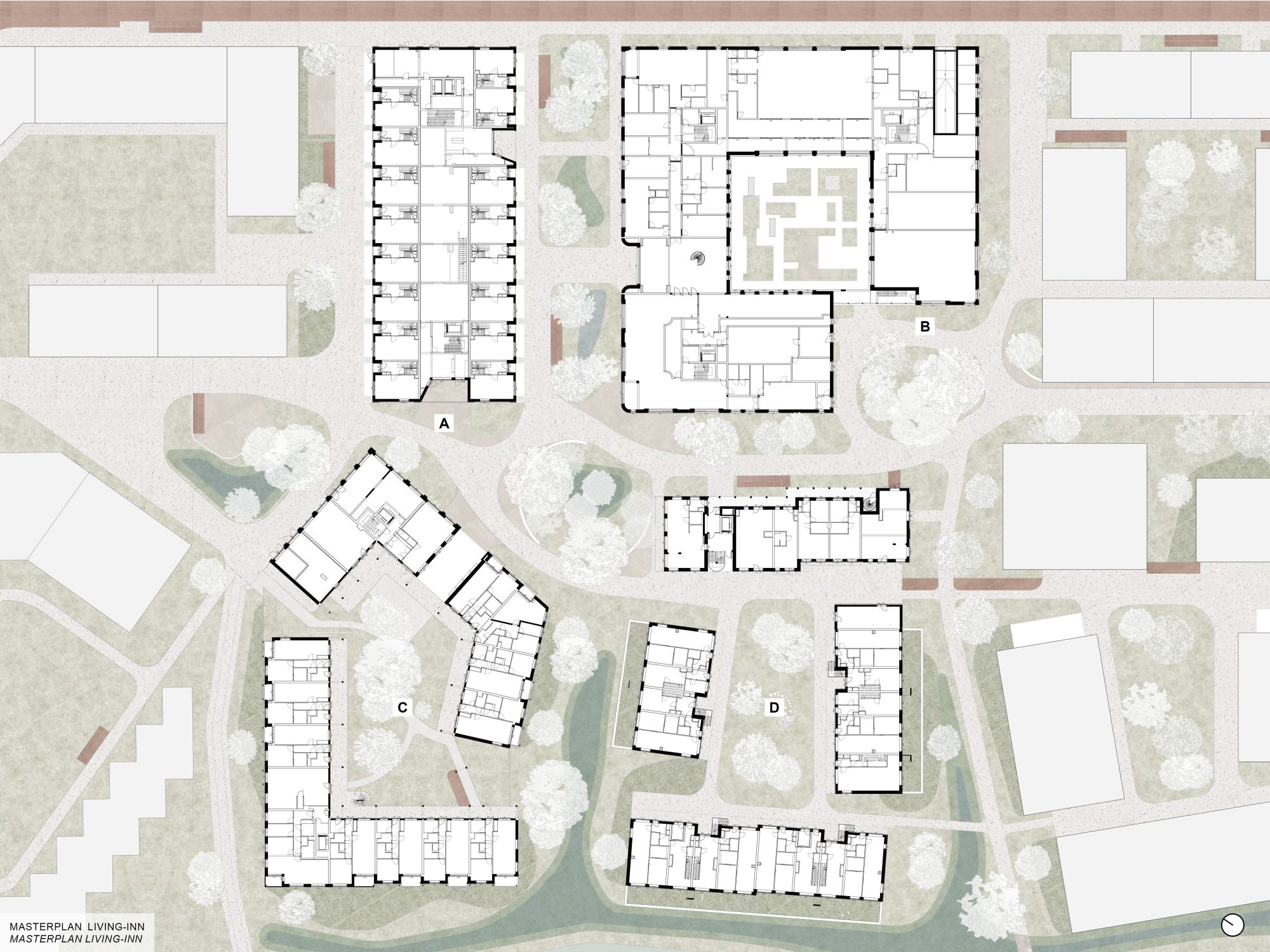
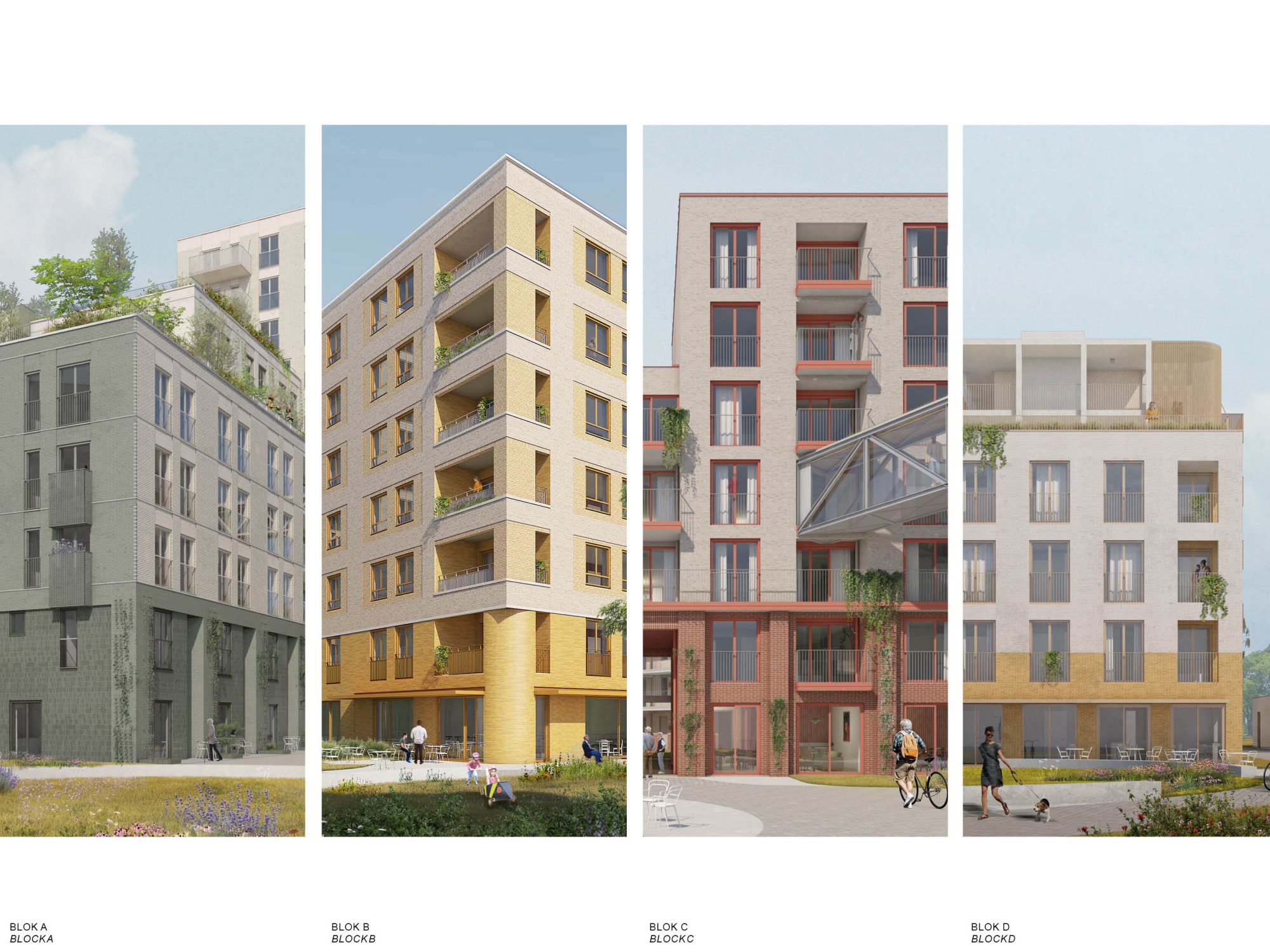
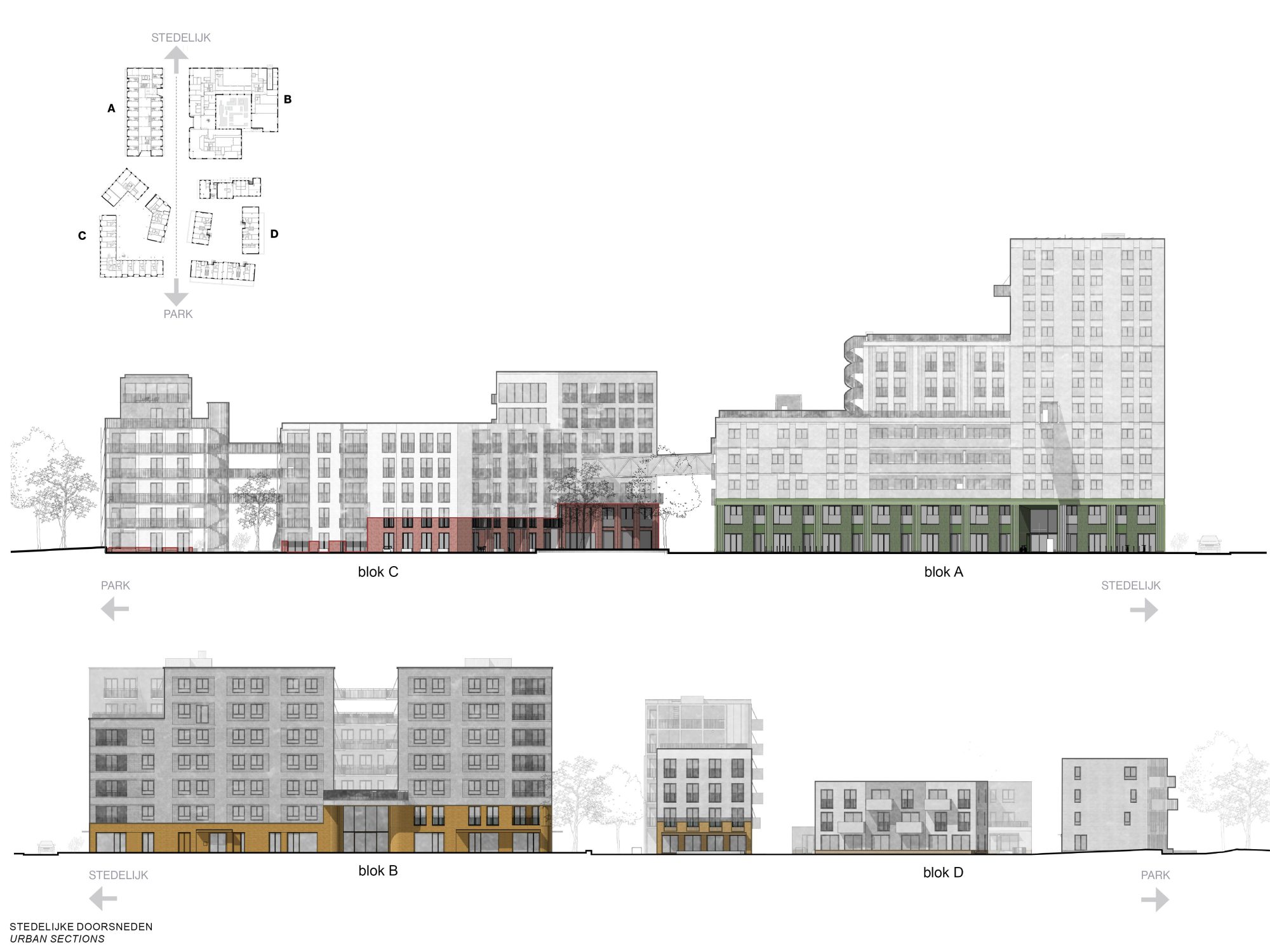
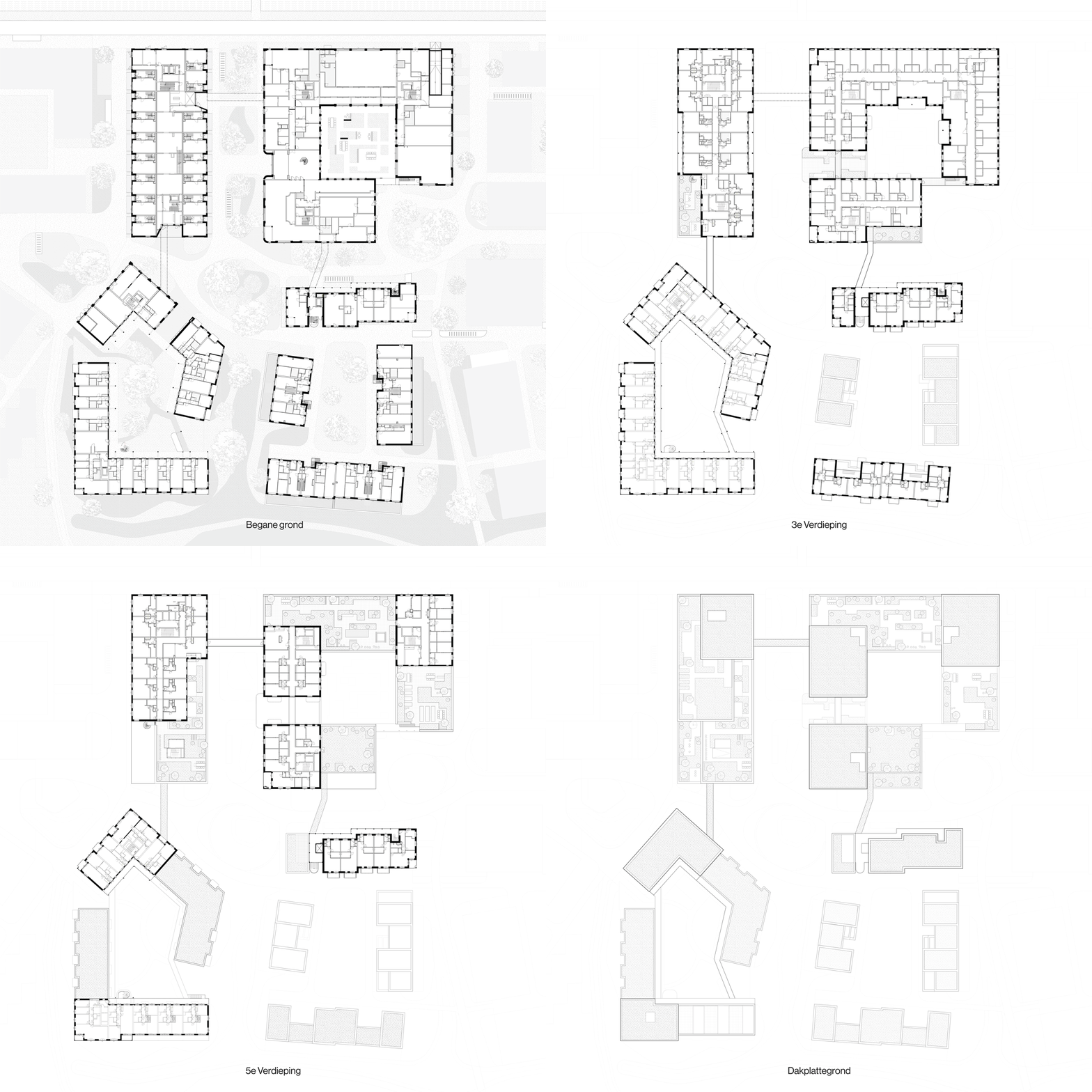
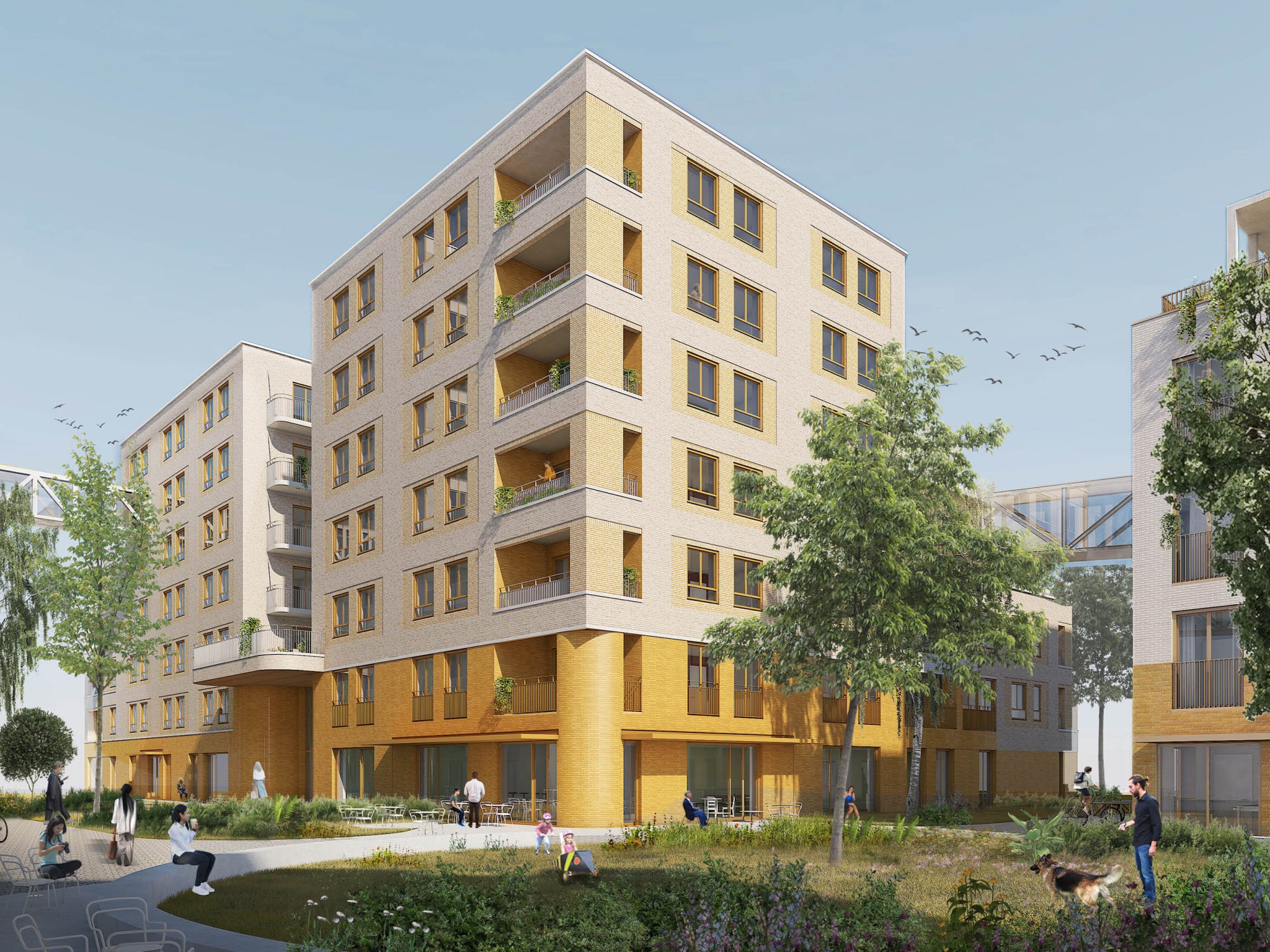
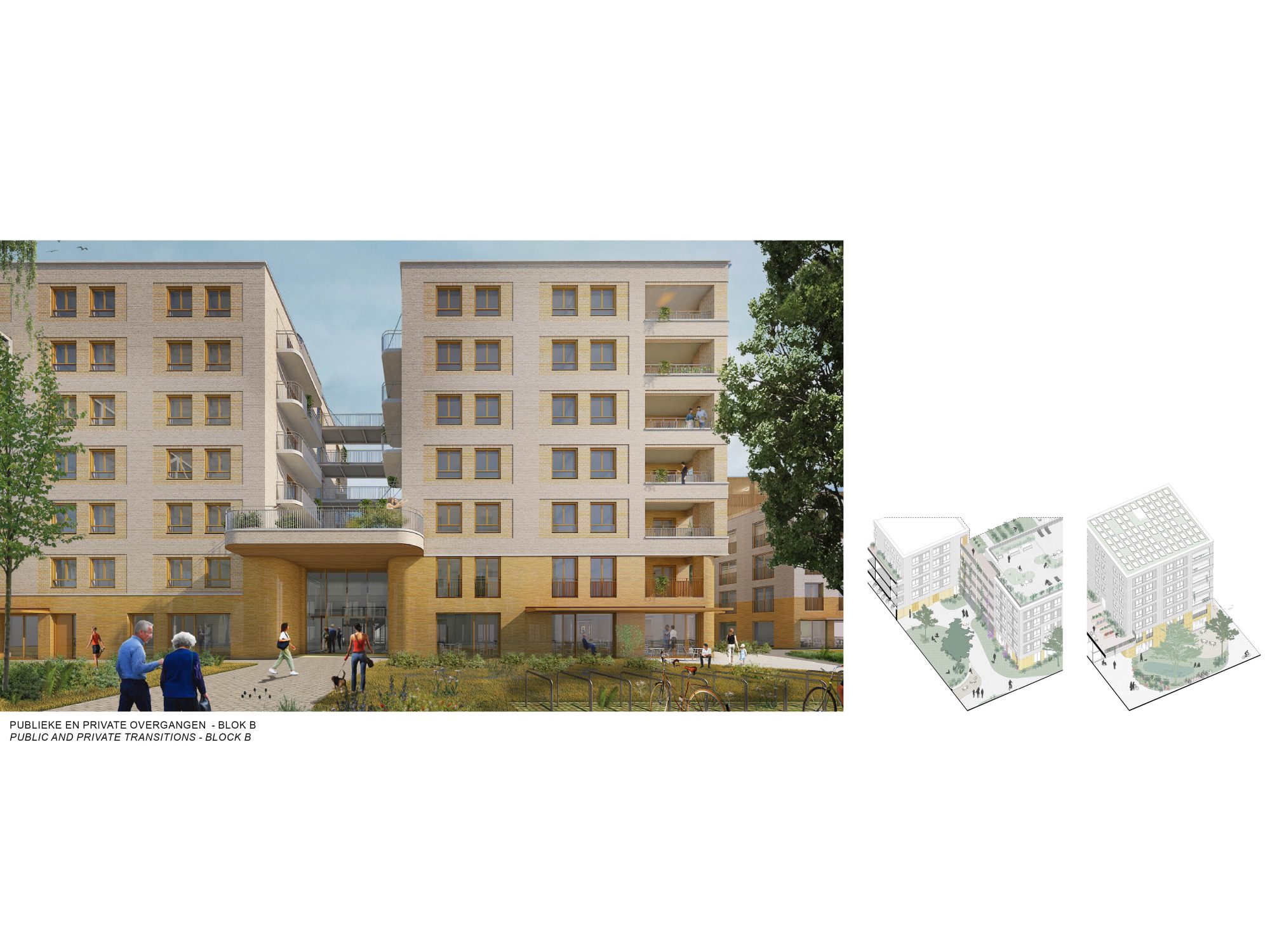
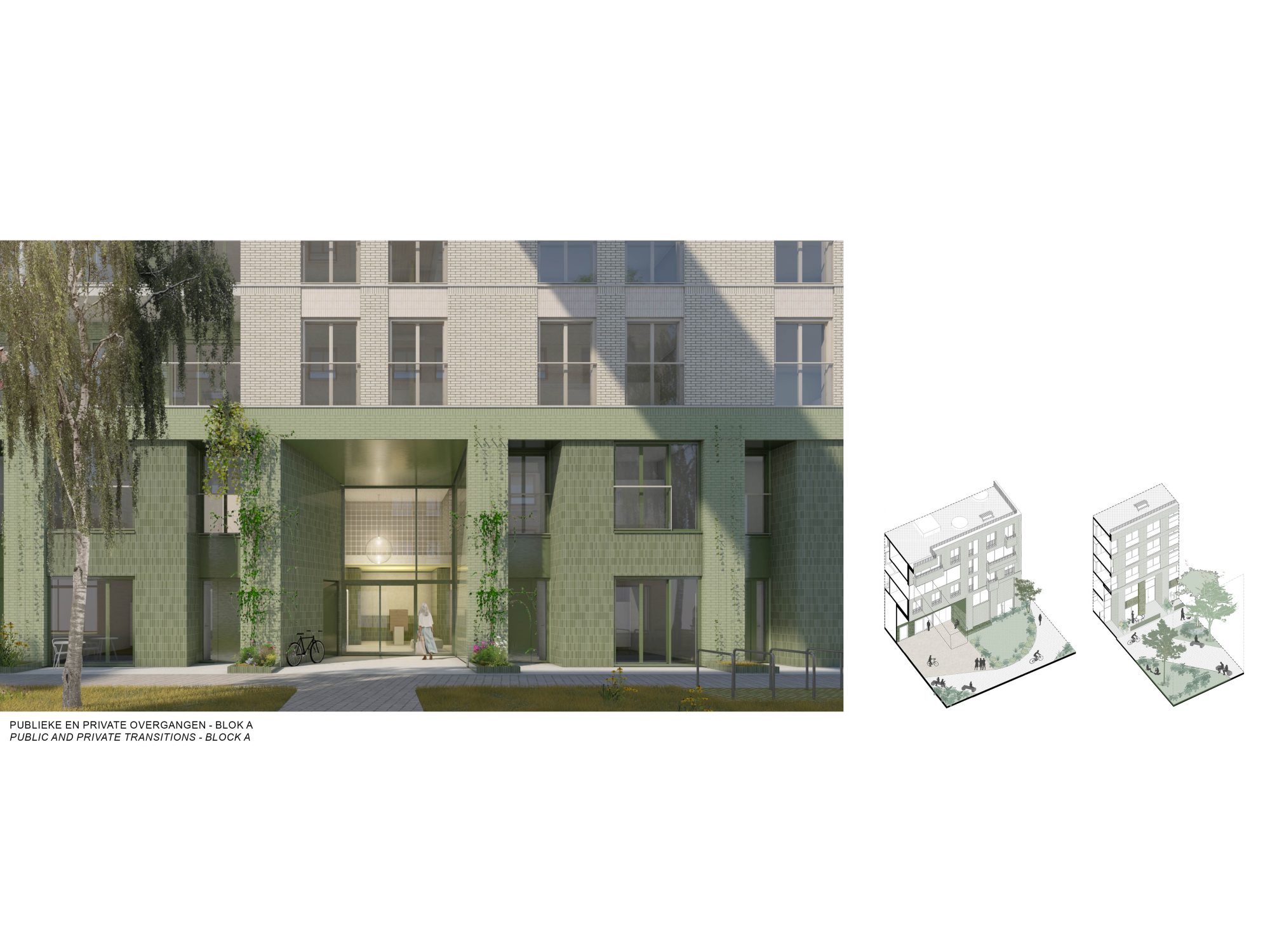
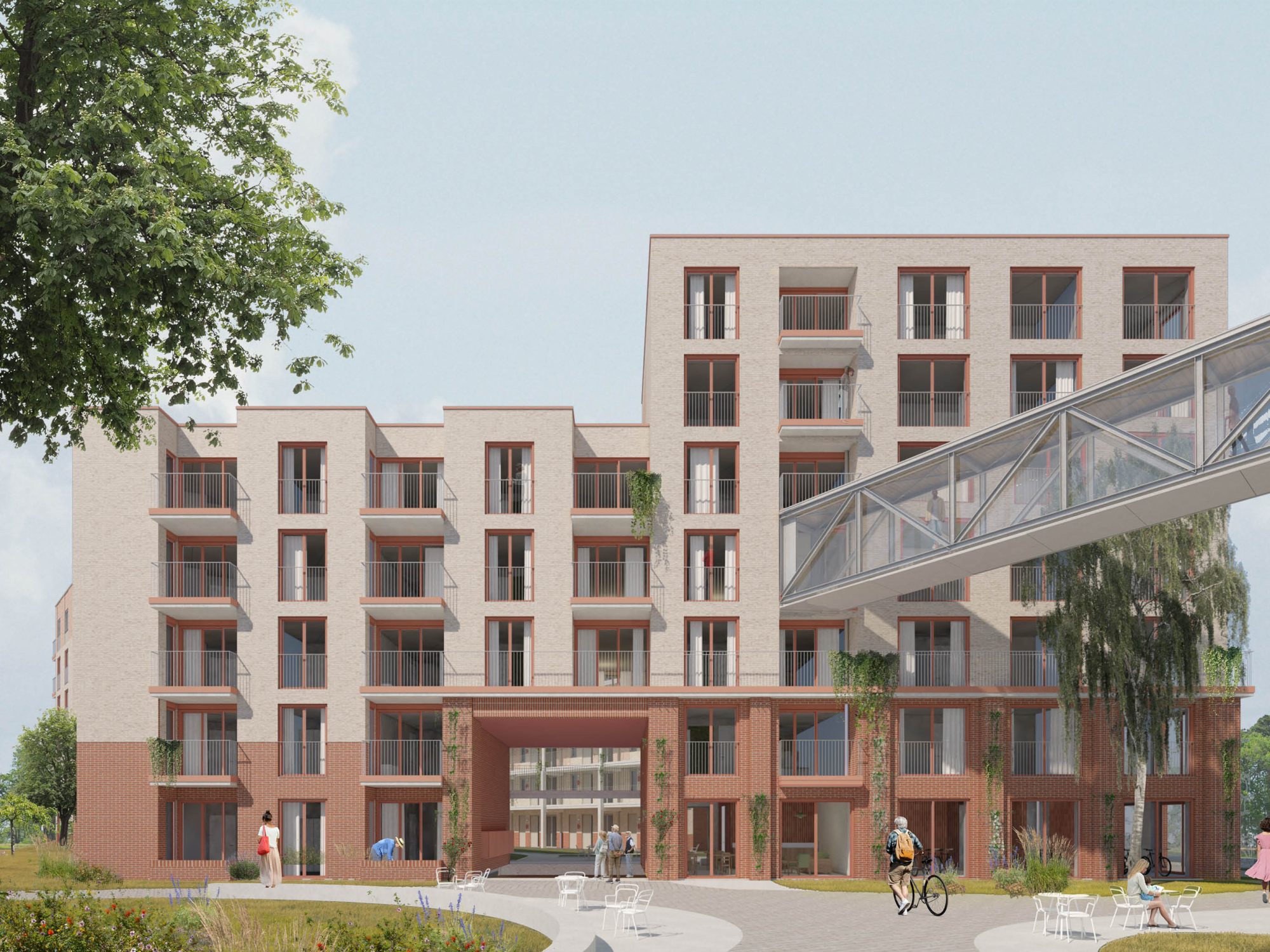
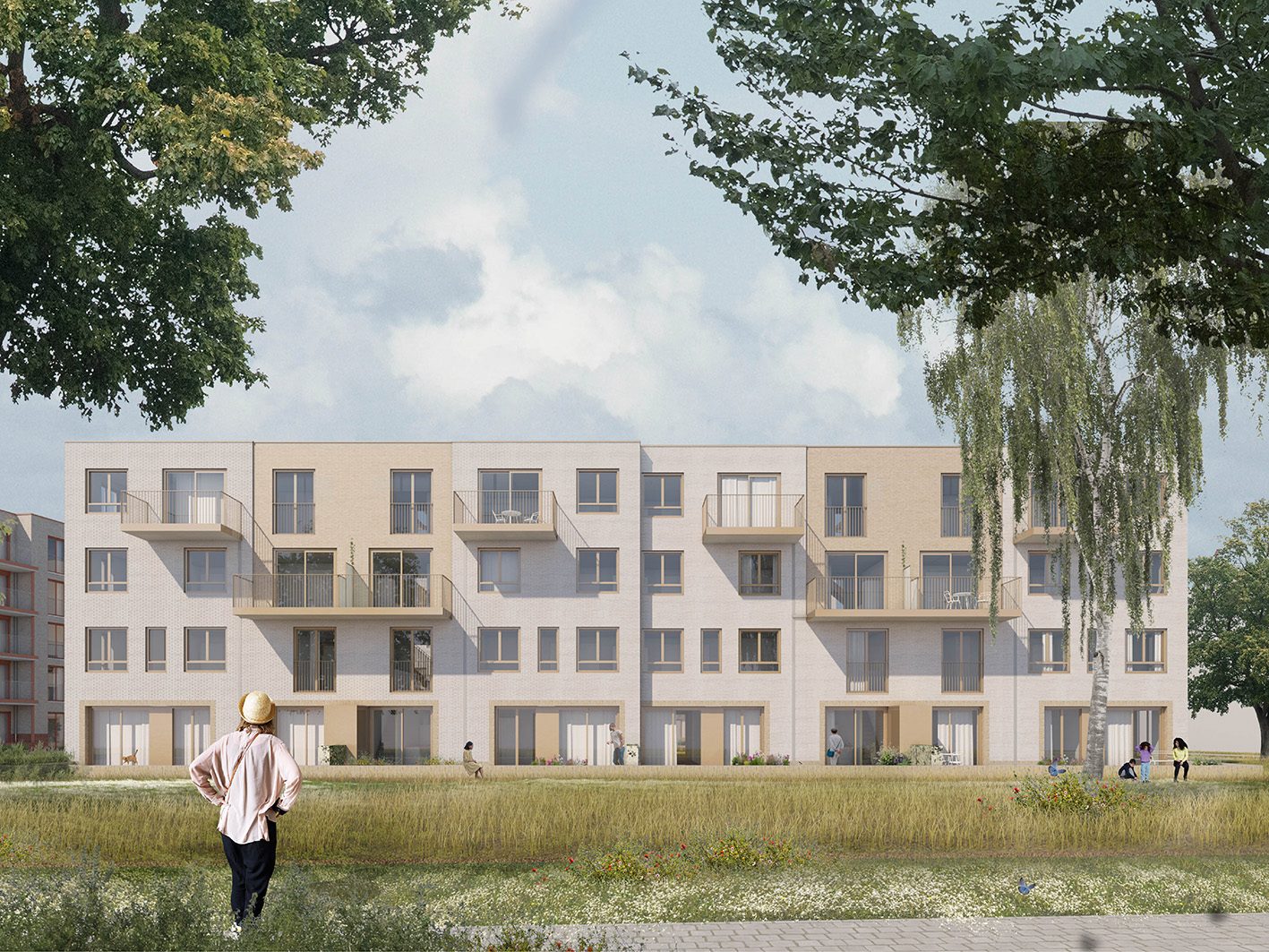
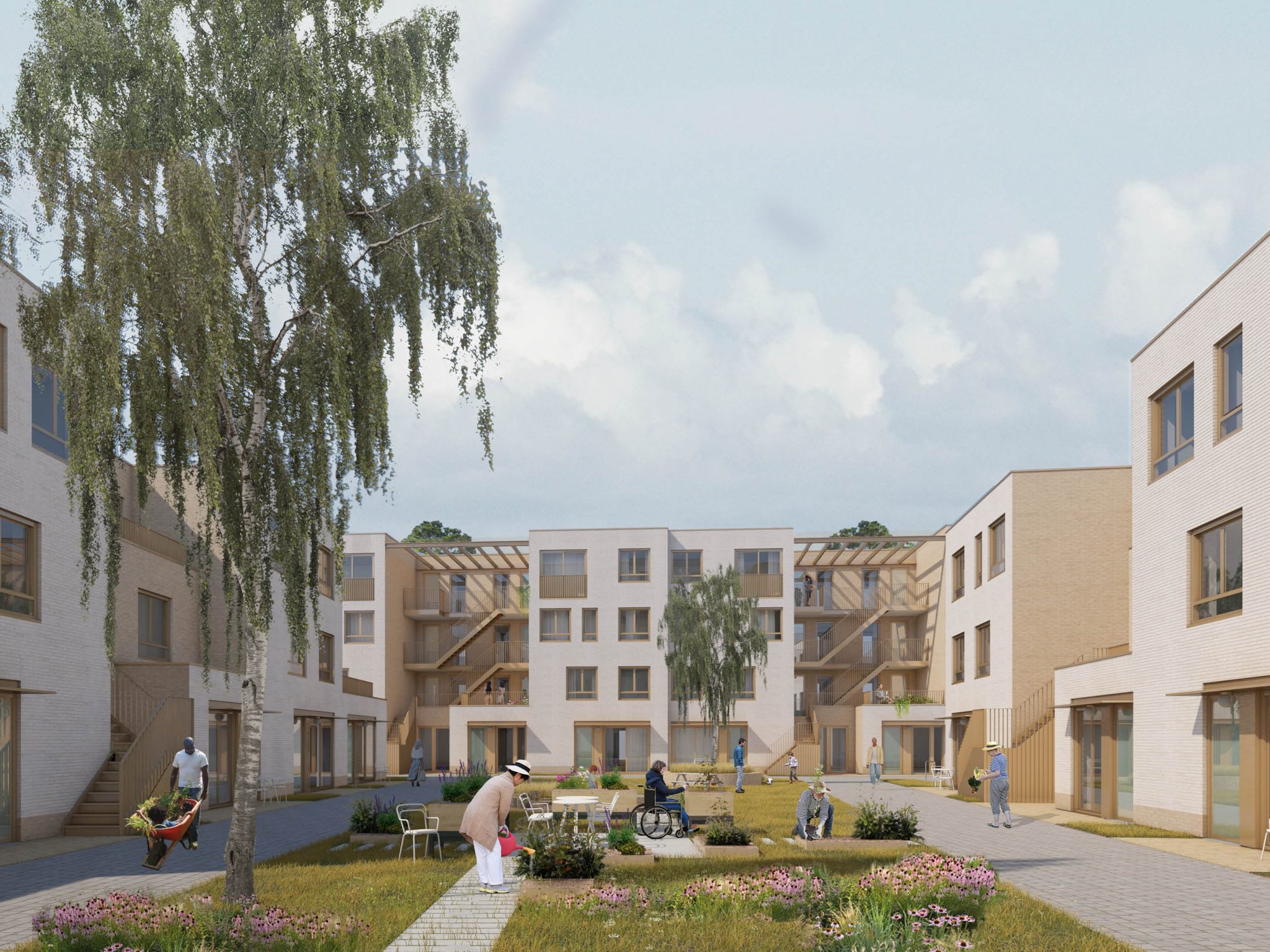
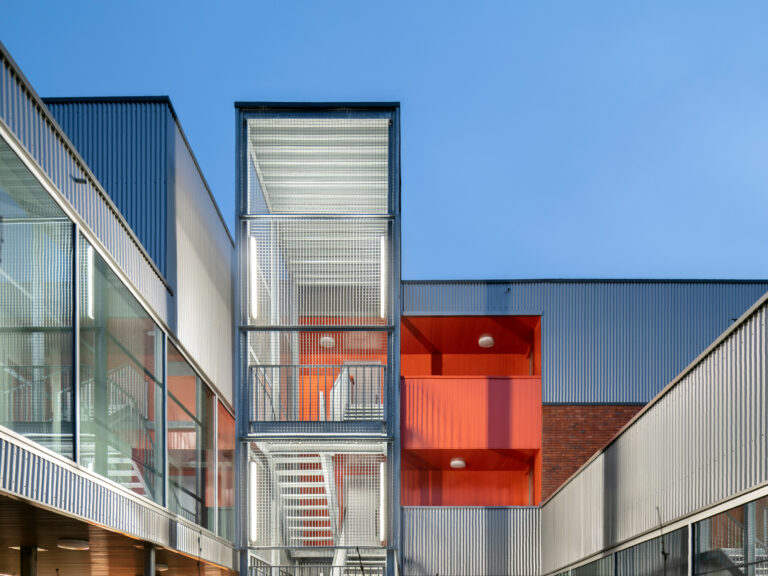
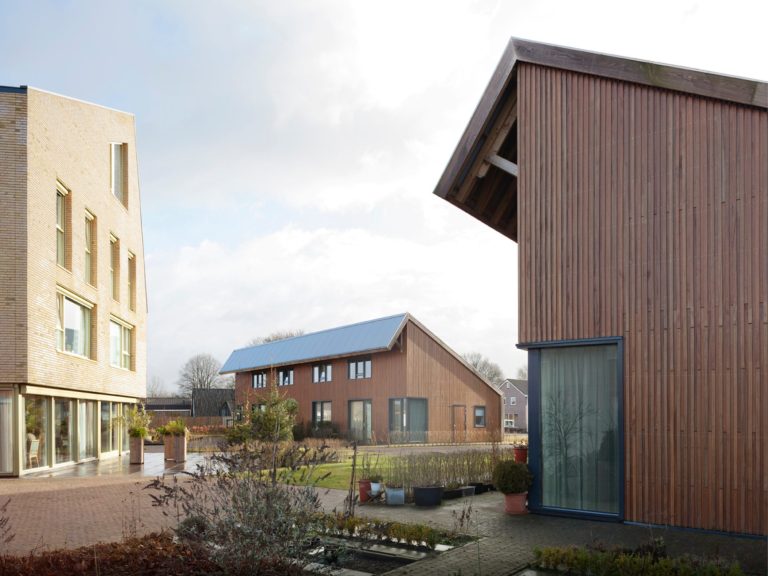
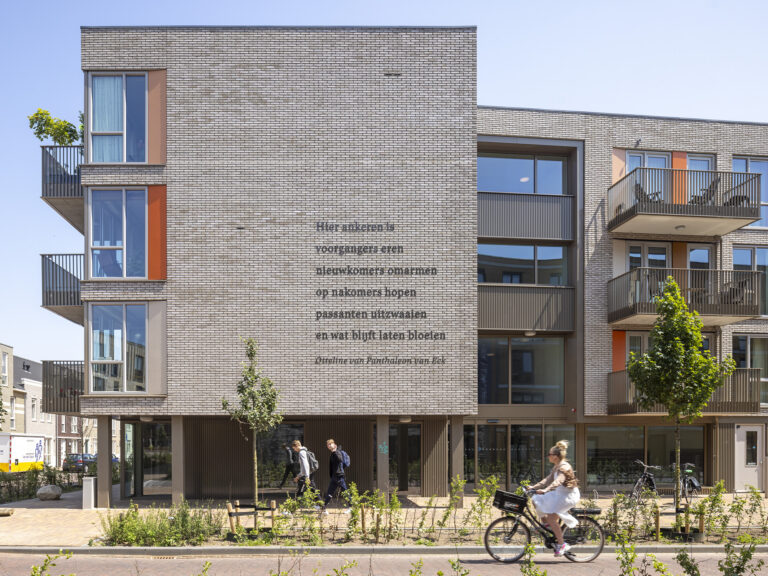
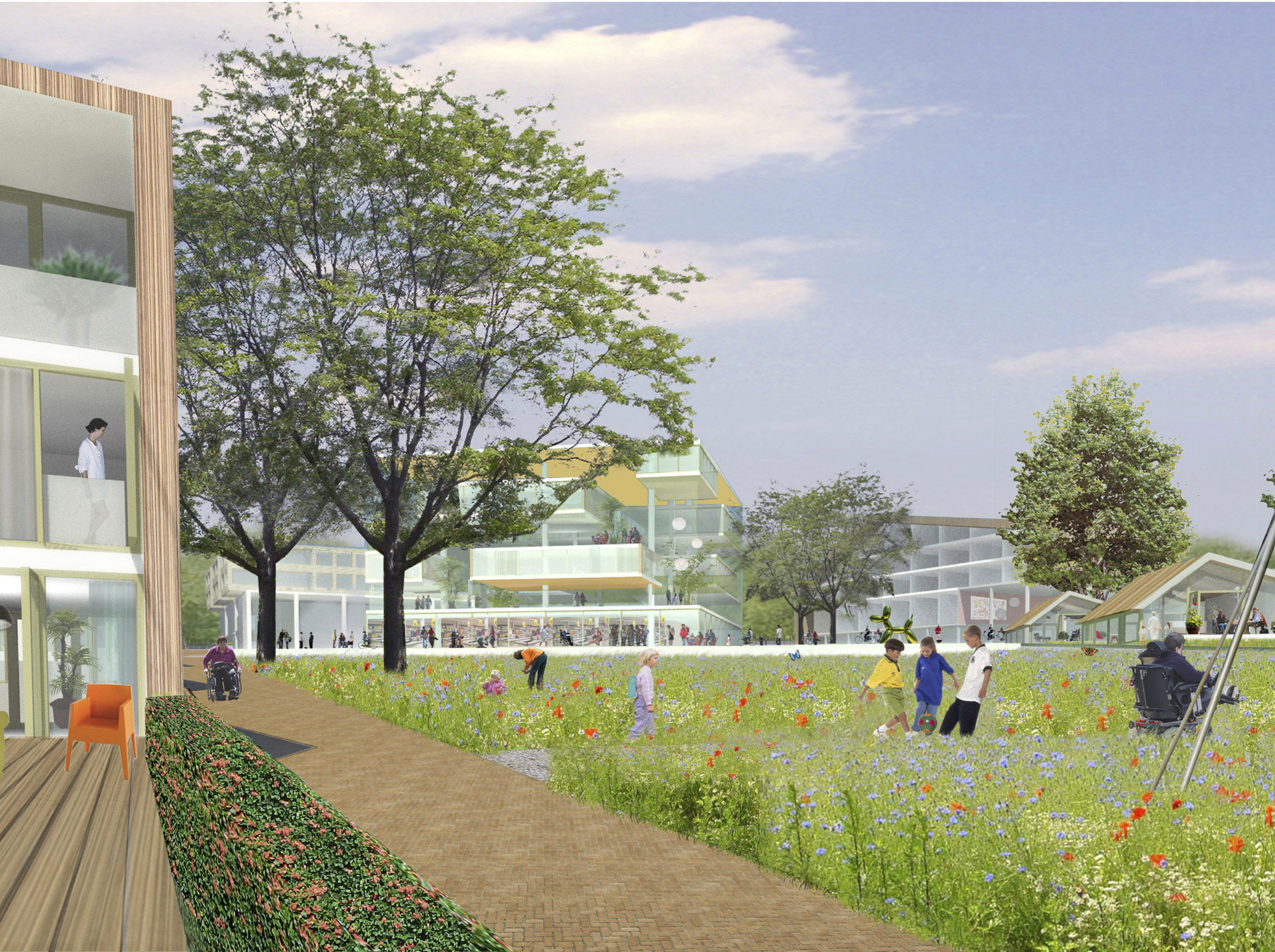
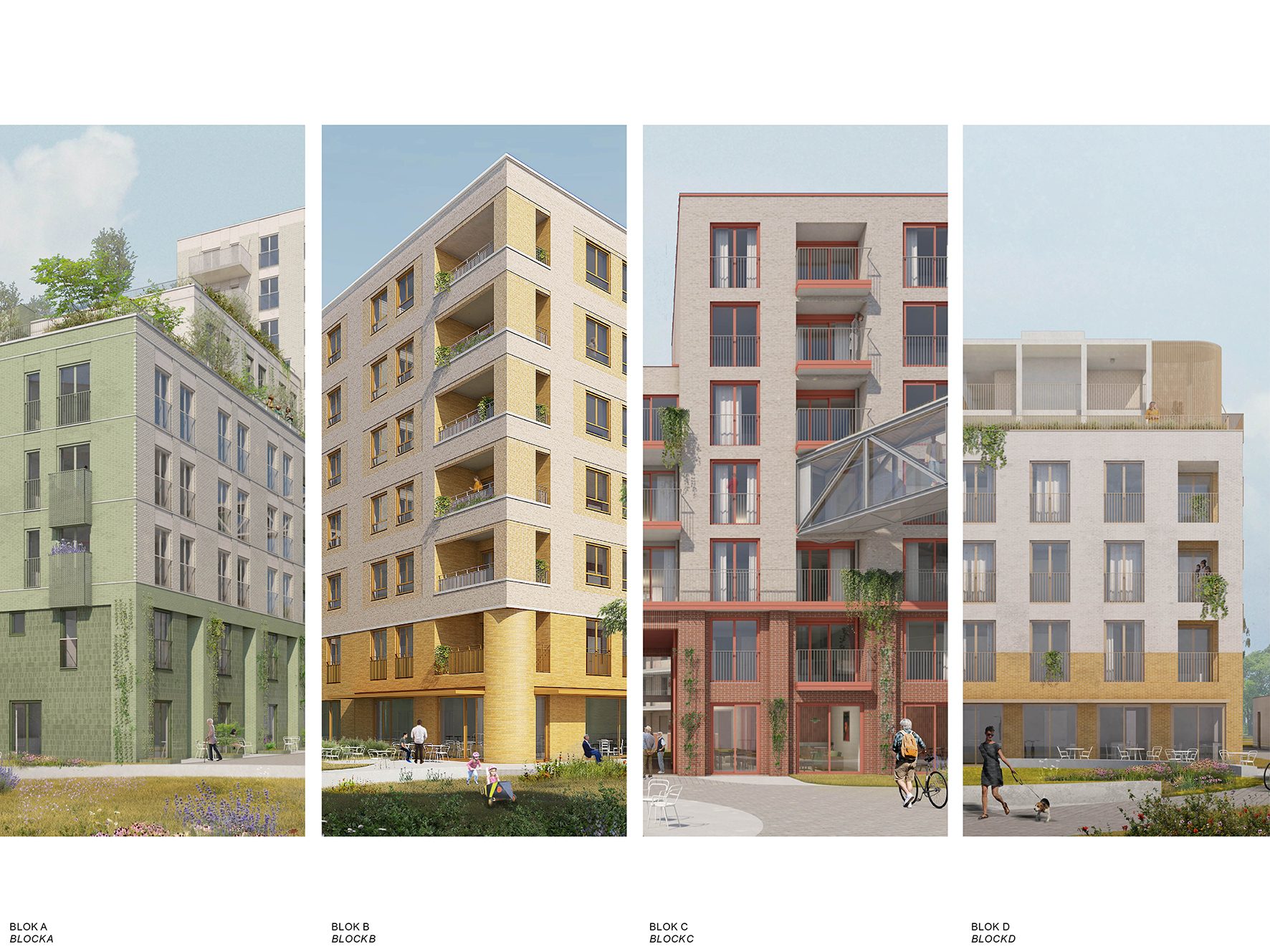
The architecture of Living-Inn Winkelsteeg consists of four buildings arranged around a central square, which forms the social heart of the project. The buildings are connected by bridges and a continuous plinth featuring shared public functions and creates cohesion across the ensemble. At the same time, each building has its own identity and typology, tailored to its target group and its relationship with the surrounding green spaces. Variation in building typology, façade composition, color palette, and materiality reinforces the distinct character of each building. The result is a carefully composed diversity: a family of buildings in which typology, greenery, and architectural expression come together.
The concept also accommodates care facilities and services, including a general practitioner’s practice, physiotherapy, a swimming pool, and additional wellbeing functions, all integrated into the plinths of the buildings, making them highly accessible, visible, and inviting as part of daily life. Designing for care encourages daily interaction through communal spaces, shared green roofs, interior spaces, and shared facilities, wide, spacious and accessible, ensuring everyone to feel welcome and at home.