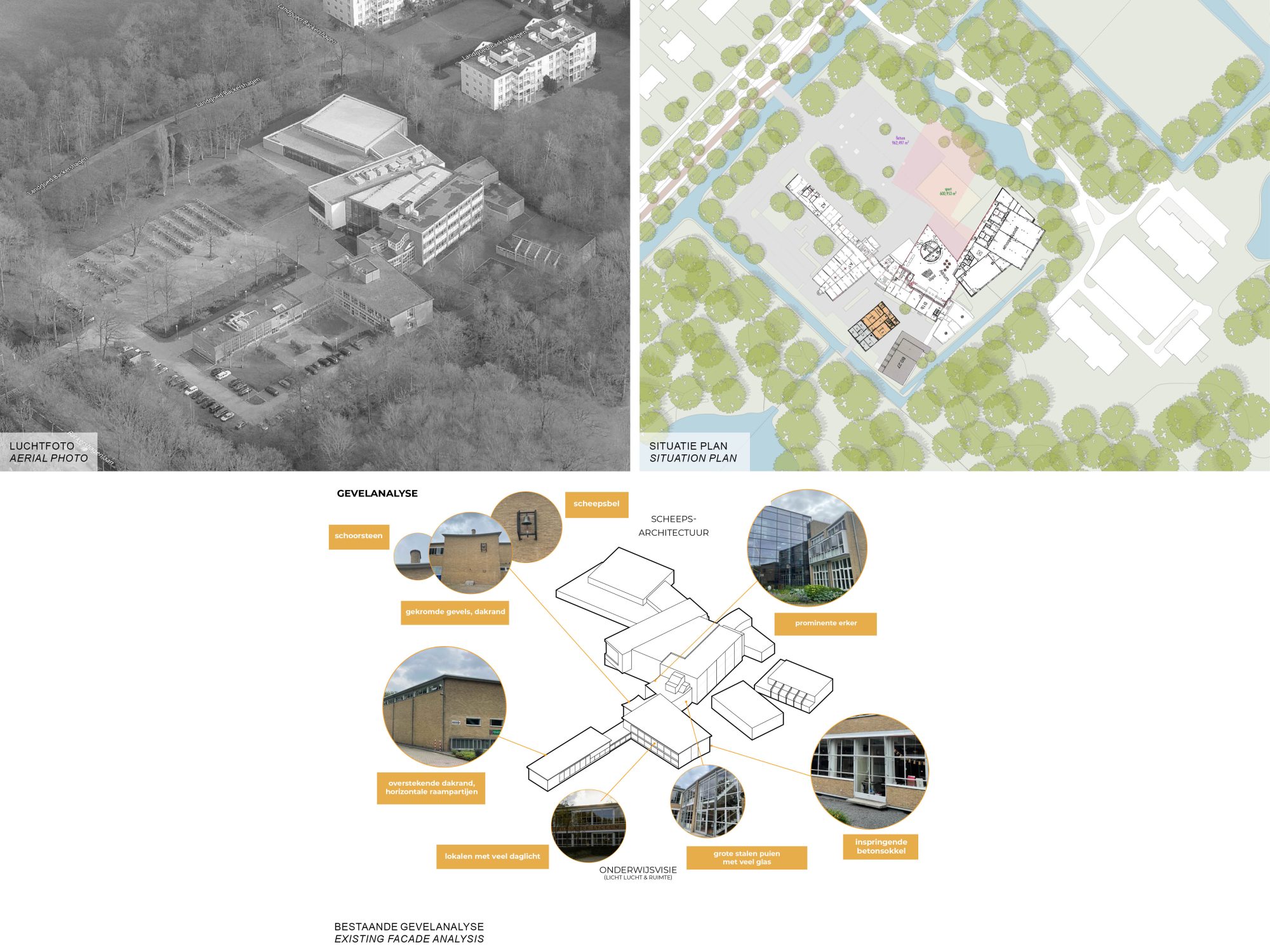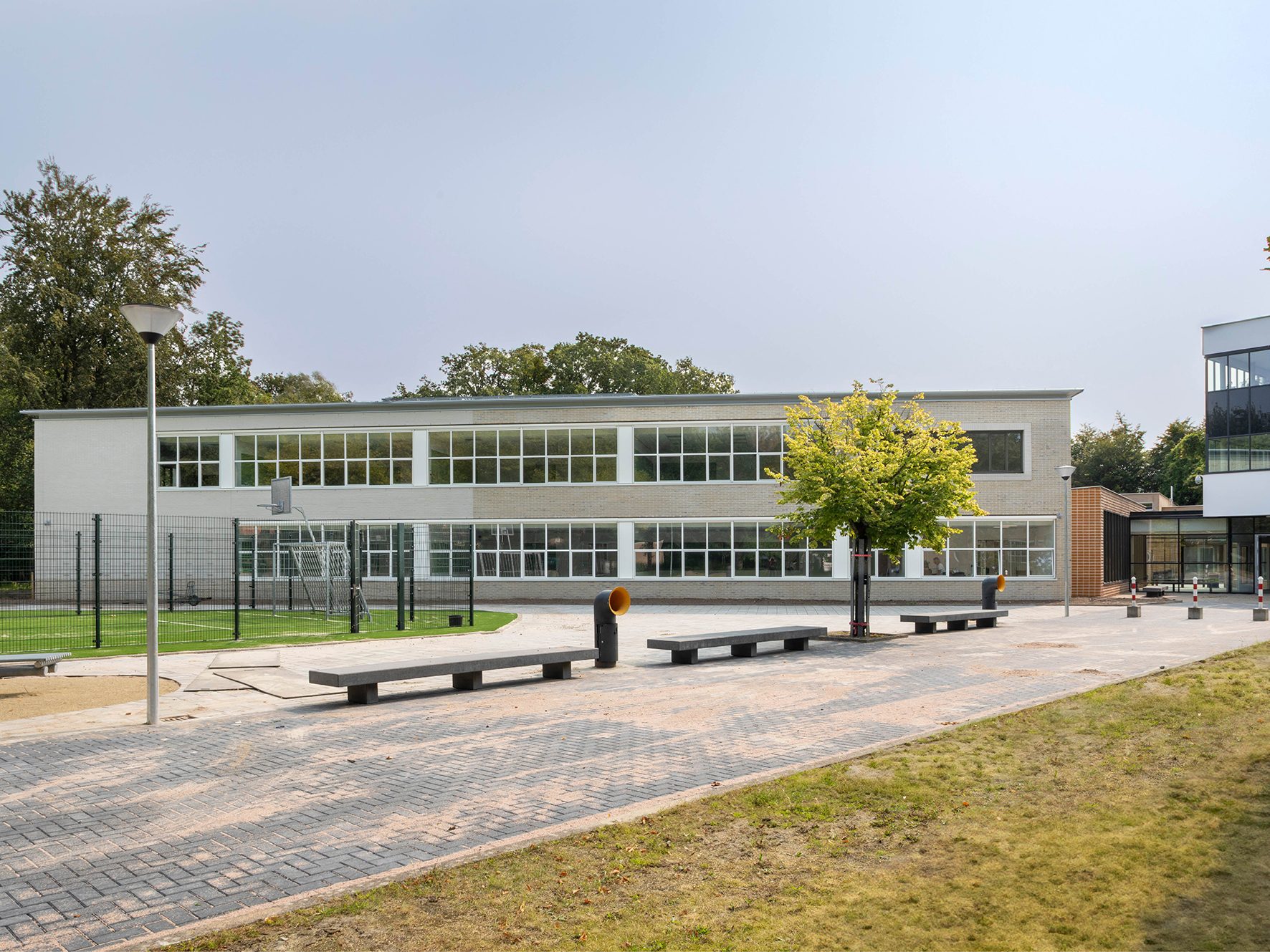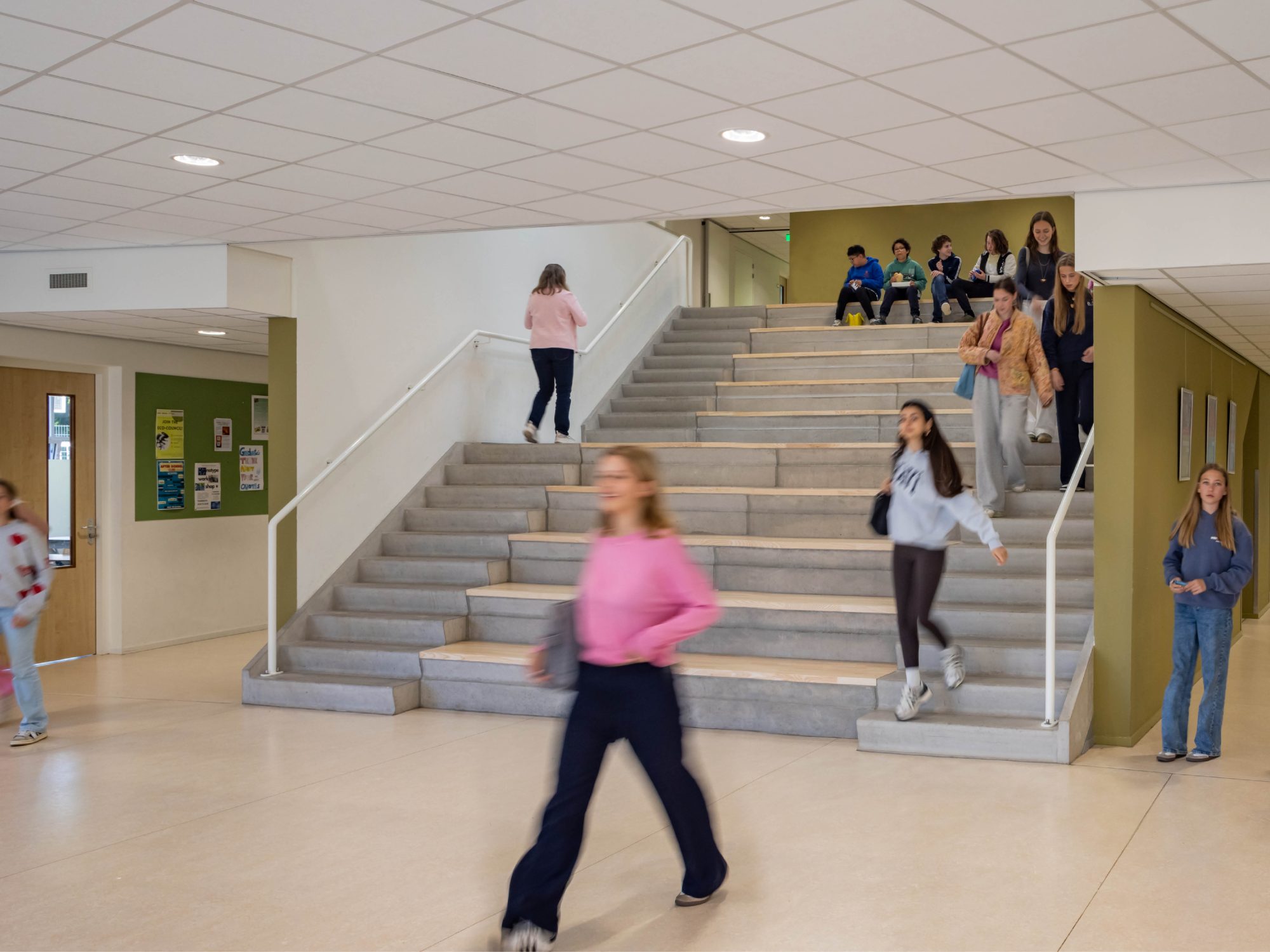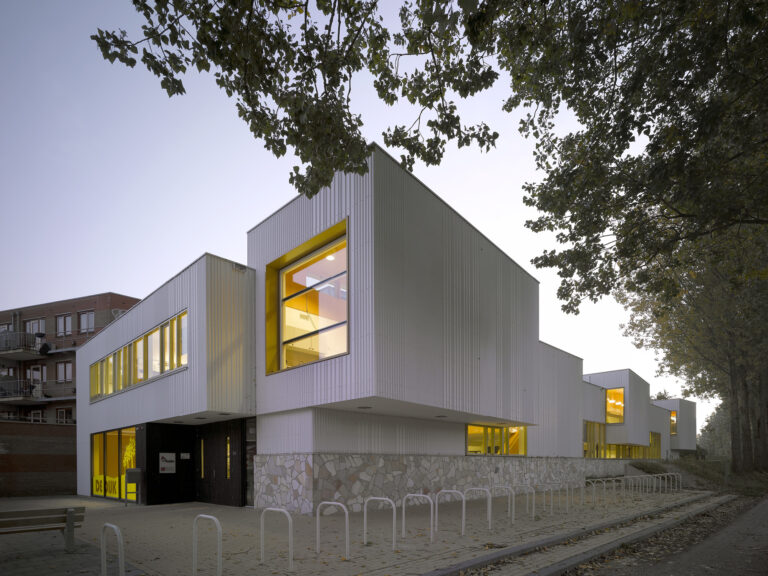
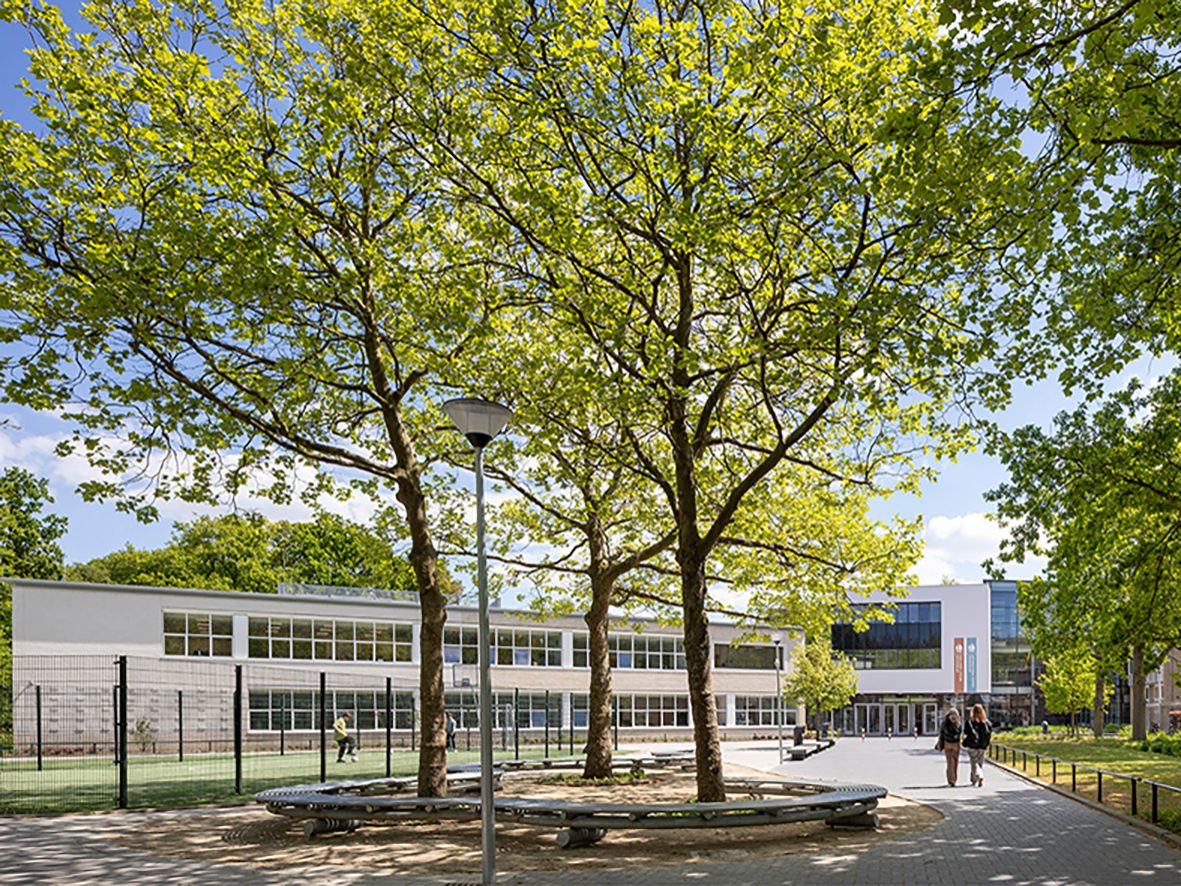
The Rijnlands Lyceum in Wassenaar is a secondary school offering havo/vwo education, with an international department. The school is situated within a distinctive green estate landscape with a rich history and is largely housed in a historic national monument. For the relocation of the International School, a new wing was designed in collaboration with FAAM architects.
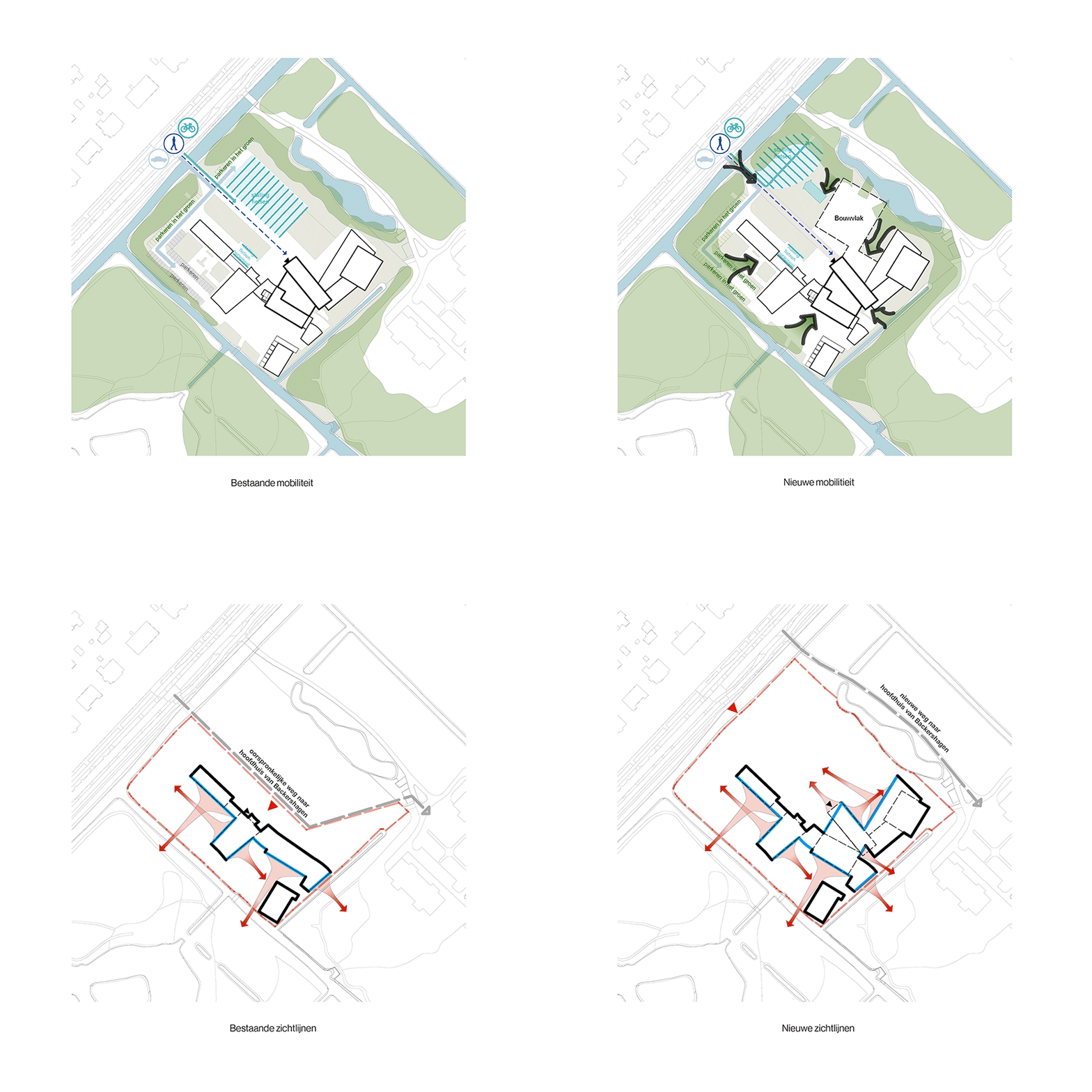
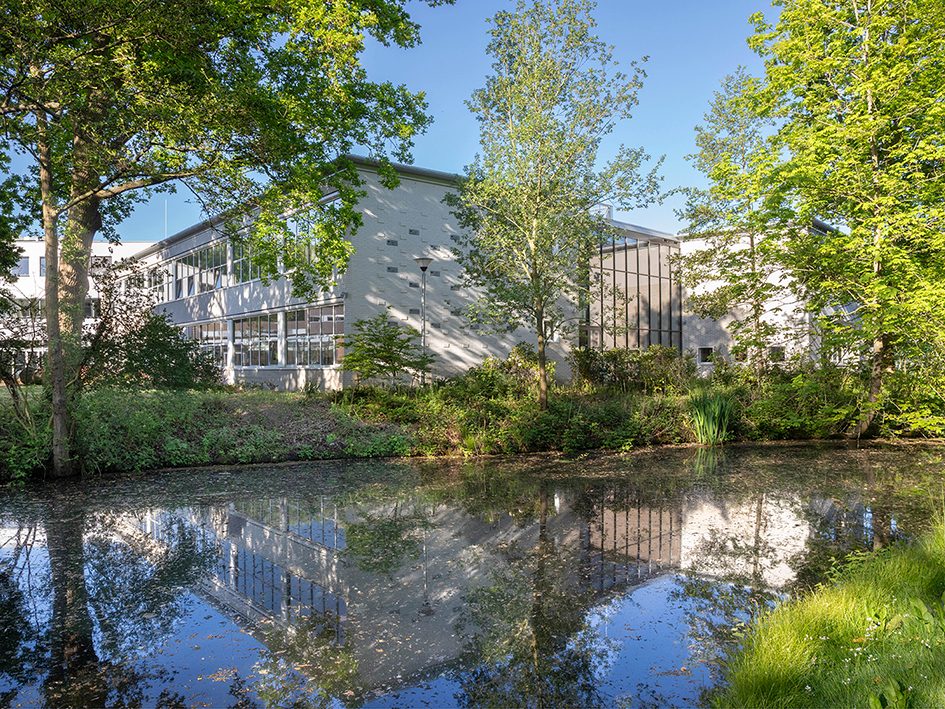
The national monument was designed by J. P. Kloos and is a striking example of the Nieuwe Zakelijkheid (New Objectivity). The A and B wings date from 1938 and 1952 respectively and were purpose-built for Dalton education, the pedagogical foundation on which the school is still based today. The new wing restores balance to the monument by establishing respectful relationships in volume, composition, and materiality. Its precise positioning on the site strengthens the relationship between the school and the surrounding estate. At the same time, the International School is given its own place, interwoven with the existing school while allowing space for its own identity and that of its students.
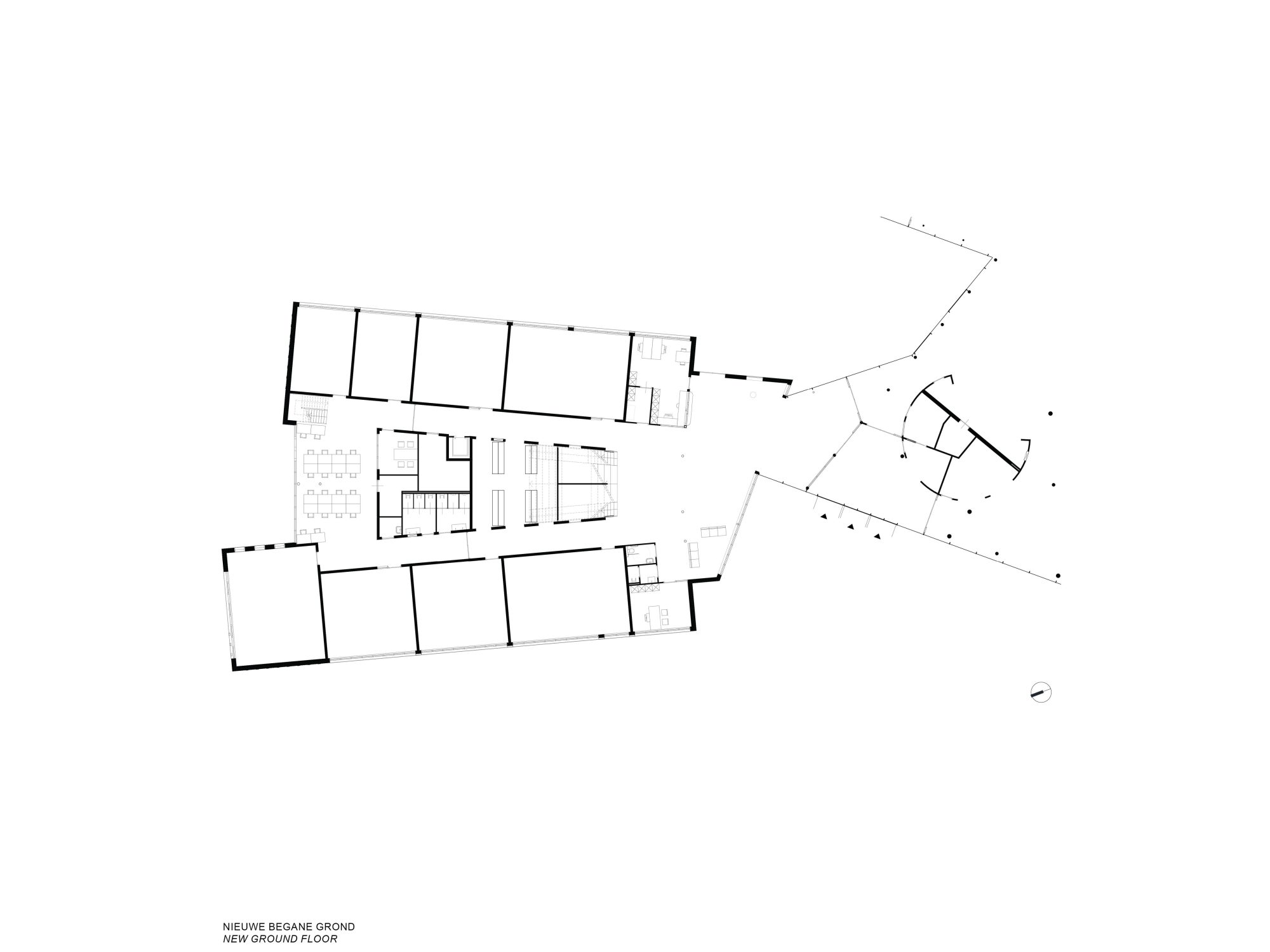
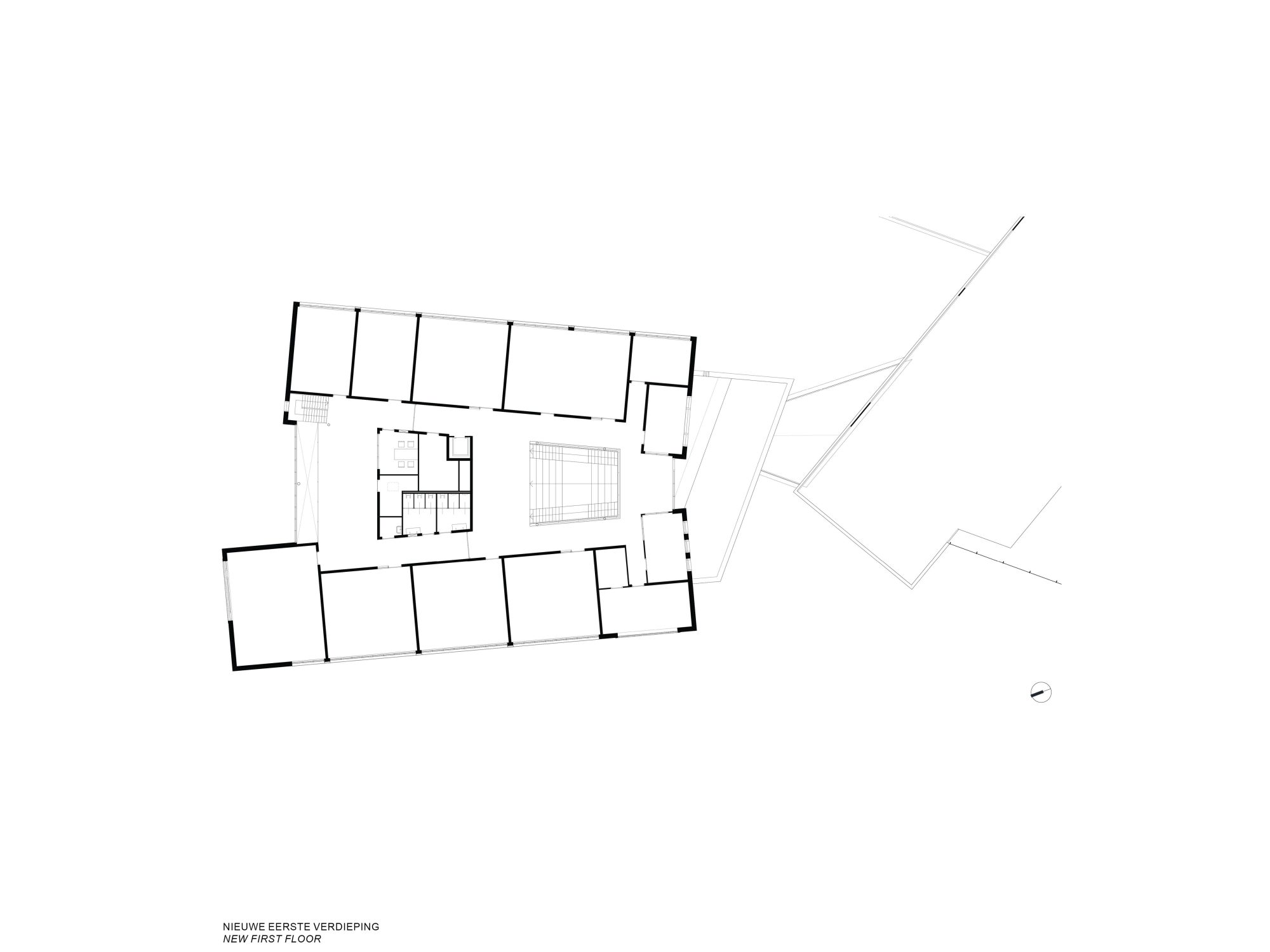
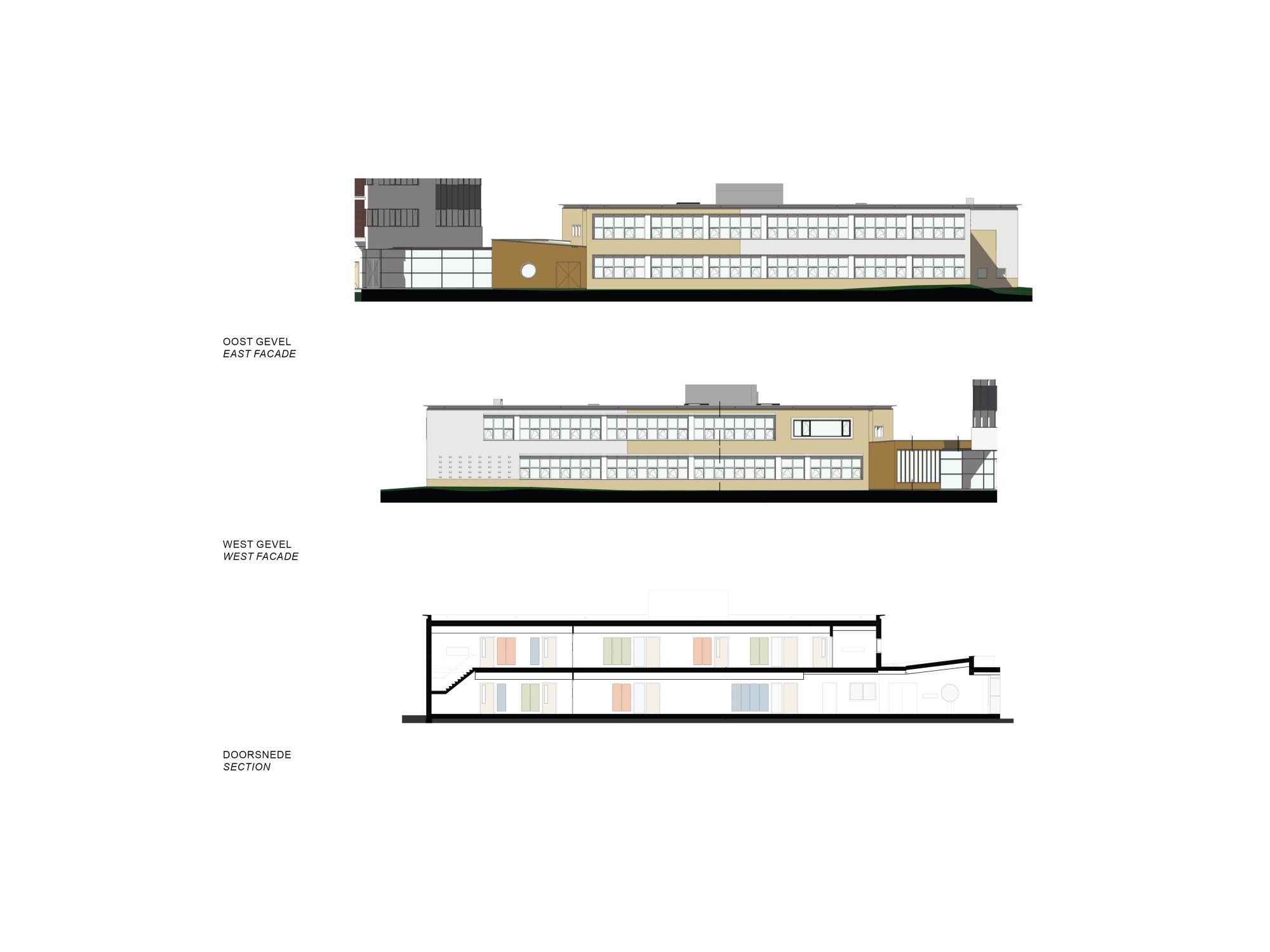
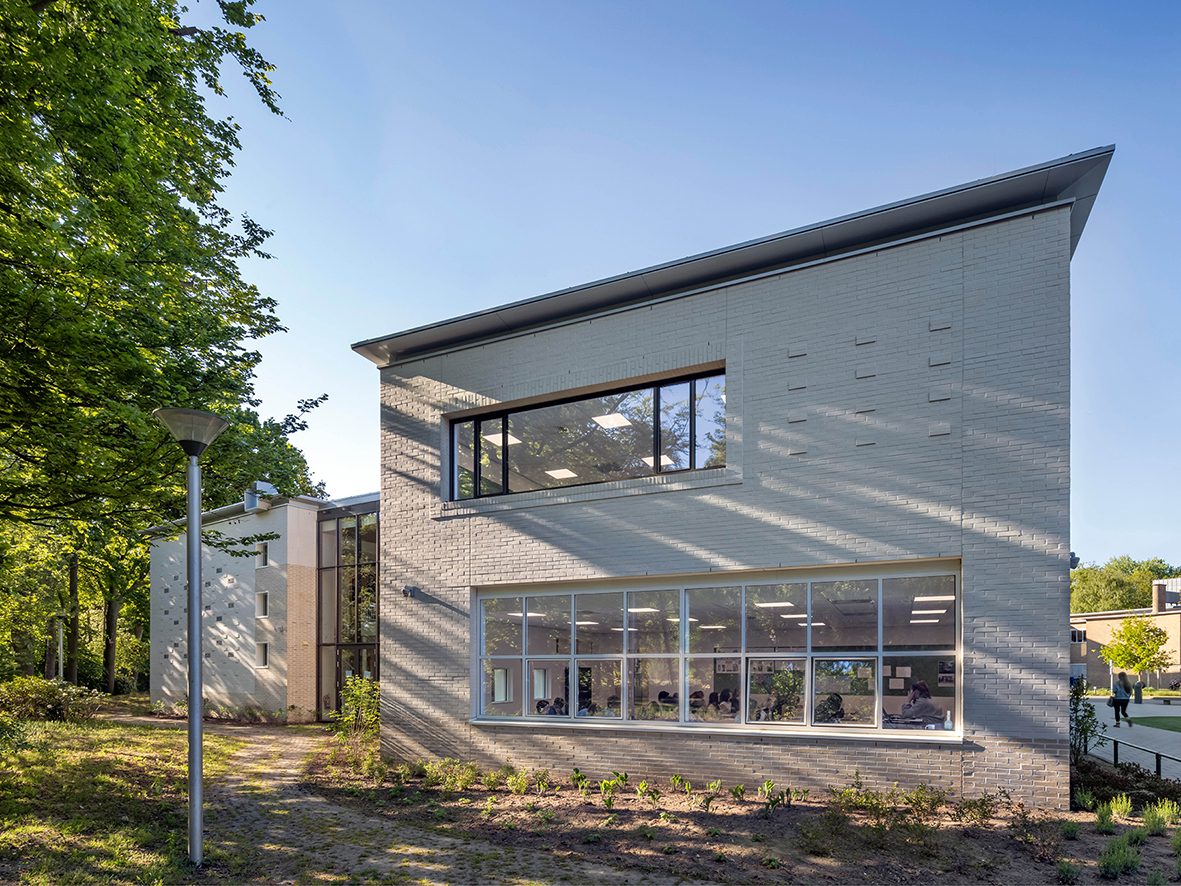
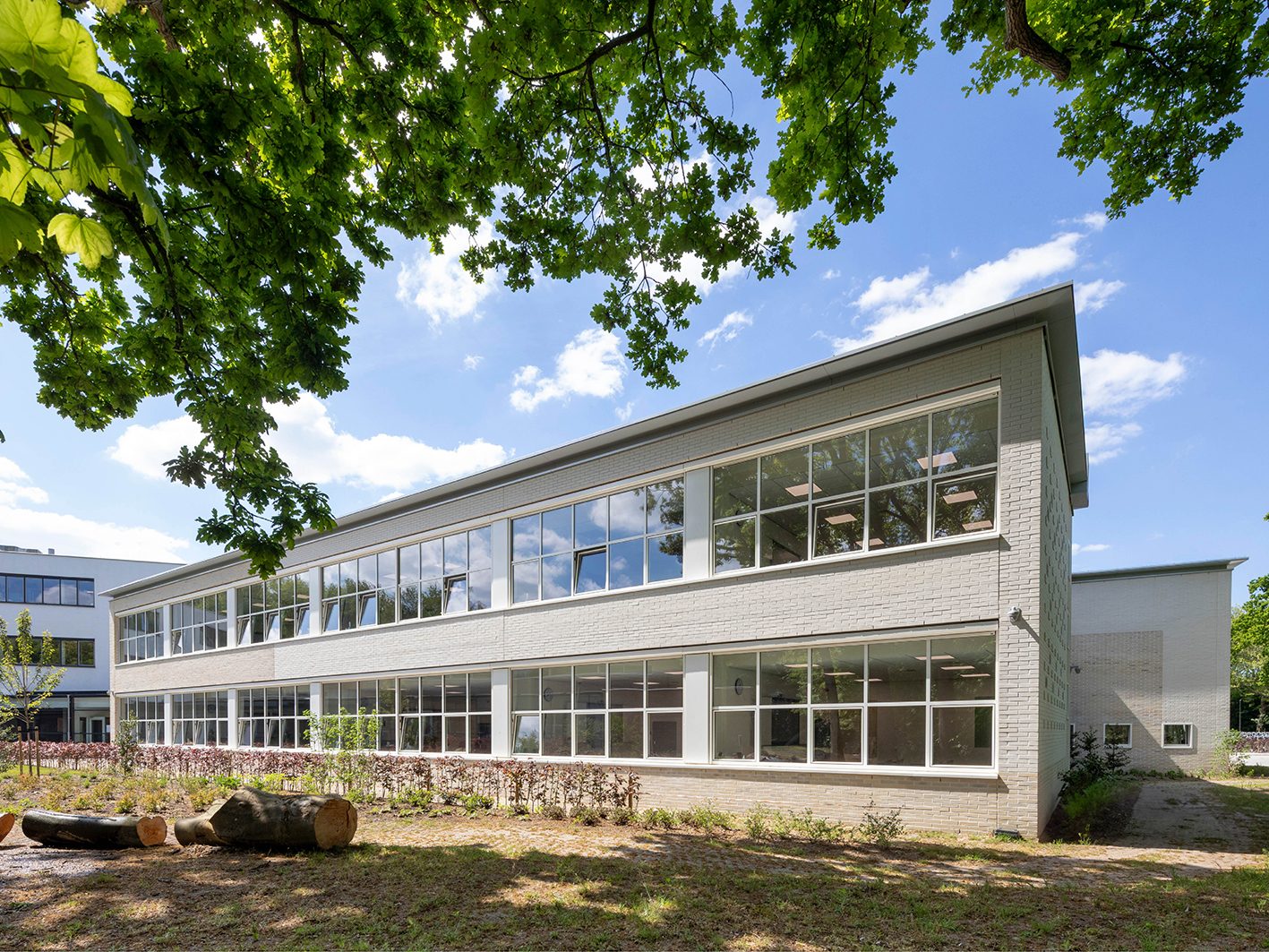
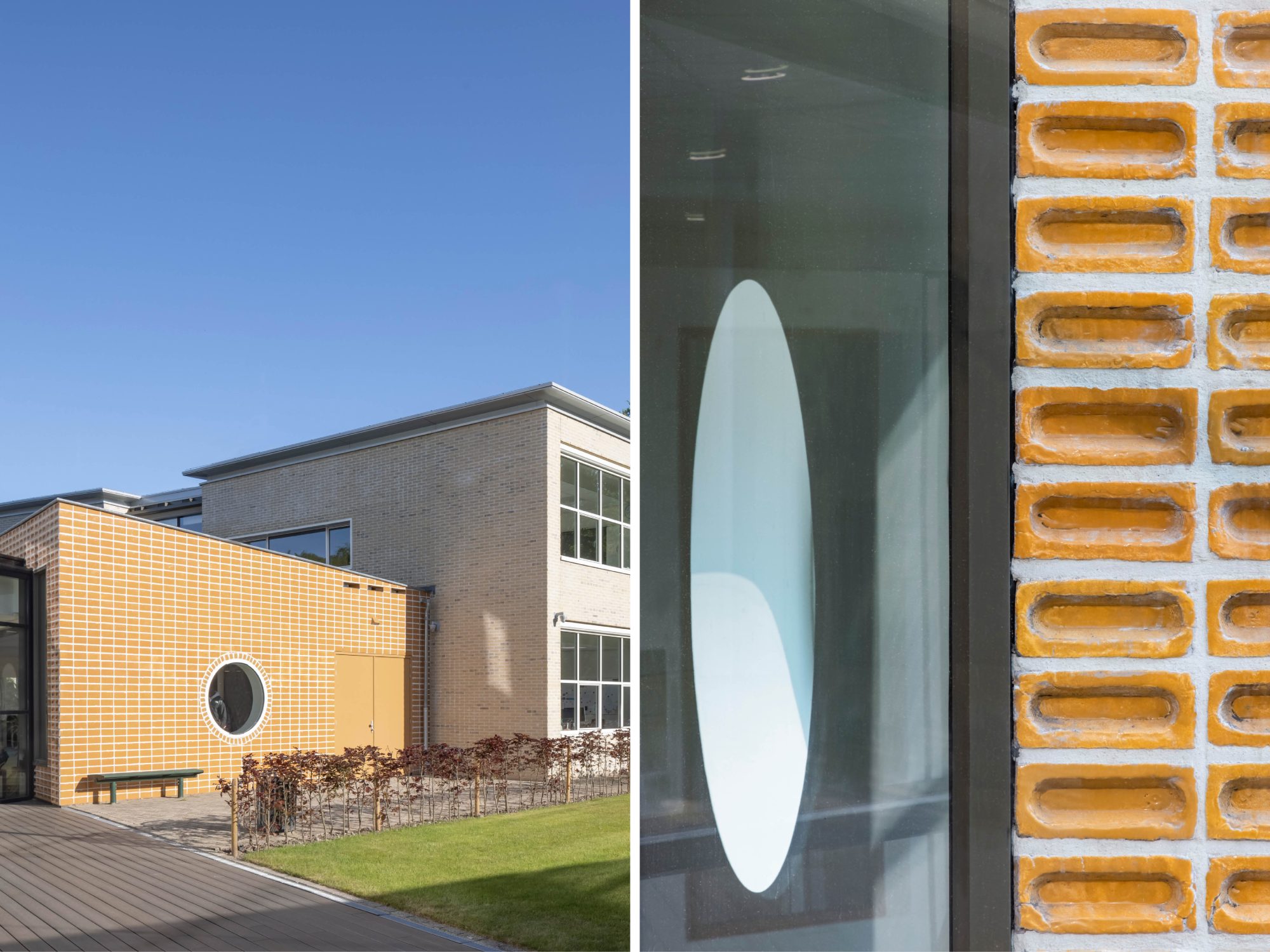
Through a careful analysis of the national monument and its surroundings, a number of key characteristics were identified that served as useful ingredients for the new building. These include volumetric configurations, façade proportions, architectural interventions, and characteristic elements. In its material expression and composition, the new building seeks affinity with the monument, incorporating similar features such as the raised roof edge, generous ribbon windows, and an elevated plinth. The new wing is connected to the school through a small, distinct volume, a recurring motif within the monument itself. Positioned opposite the historic A wing, the two volumes are brought into balance, resulting in a more natural and harmonious approach to the main entrance. In this way, the new building adds a new layer of time to the school, a contemporary interpretation of its original design principles.